
Method
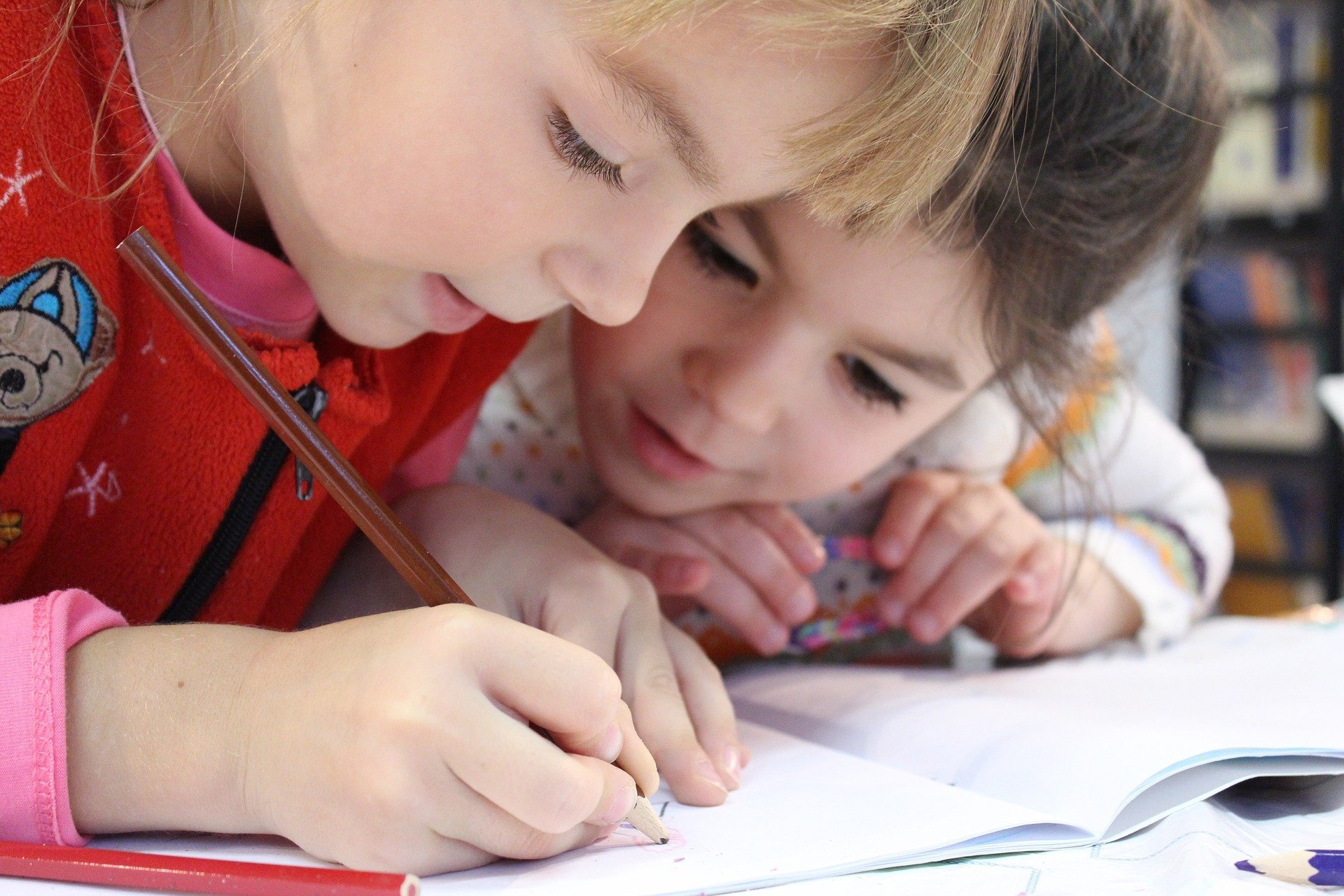
"Good teaching is mostly made up of learning, rather than teaching itself."
- Franz E. Weinert
How do children learn at School of Tomorrow?
The School of Tomorrow's learning method is goal-oriented and structured, individual and flexible. The focus is always on the child. There are many different ways to develop and acquire knowledge and skills. This path differs from child to child. The basis lies in trust, the focus on the relationship. It is more important that the child learns how to learn and never loses its innate curiosity and enjoyment of learning than simply storing generalized knowledge.
Individualized - Project-Based - Independent - Fun
Lessons are project-based and therefore interdisciplinary, rather than strictly divided by subject.
The absence of fixed lessons allows for a deeper focus and the ability to stay in the flow, or take breaks when needed.
The individual and "fluid" timetable allows for creativity and intrinsic interest.
Individual learning enables each child to find their own fair and appropriate path.
Personal interests are not a minor matter, but a cornerstone.
Instead of just "covering" a topic, we motivate the children to uncover the topic (actively explore it through questions and experiments) and discover it (from their own perspective and wherever possible in the real world).
Lessons don't feel like traditional school or duty, but more like play, entertainment and social exchange.
Trust as a basis. Measure where useful. Encourage where desired. Motivate where necessary.
FAQ
-
The SOT learning method combines clear subject-specific instruction with independent, project-based, and personalized learning. Teachers introduce new content in a targeted manner and guide students as they work to understand, apply, and build upon it.
After receiving guidance, students work increasingly independently and learn to prioritize their tasks effectively. In the early elementary grades, this is done with closer supervision. As they get older, students take on more responsibility for their own learning process.
In secondary school, the instruction is even more personalized. Students can request additional material, skip certain topics if they have already mastered the relevant skills, or be specifically invited to engage with certain material if further development is needed.
Digital learning platforms such as Khan Academy support independent practice and reinforcement of basic skills. This gives teachers more time to work with students in greater depth, discuss questions, make connections, and foster more challenging thinking processes.
-
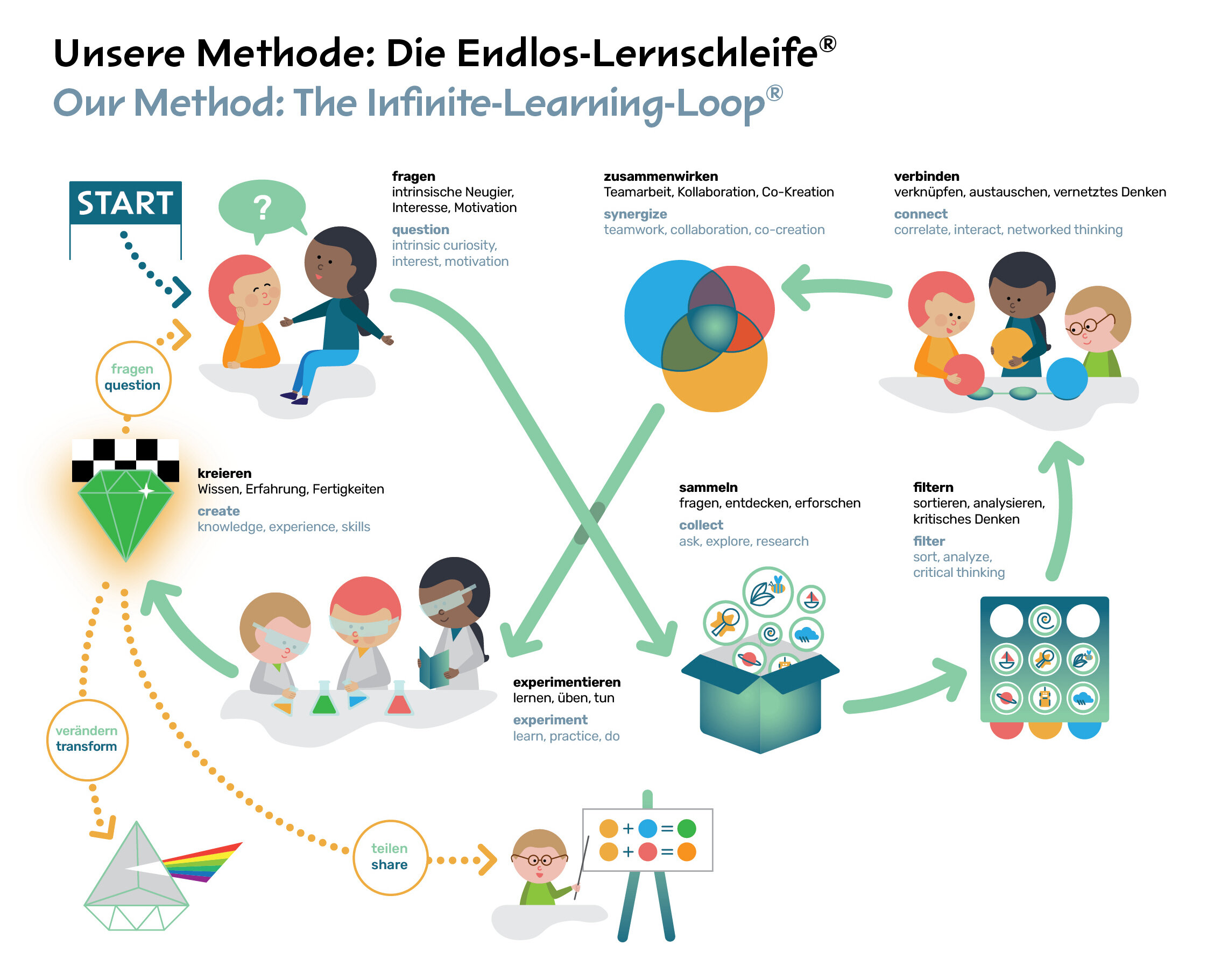
In project-based learning, students work on more complex, real-world problems over an extended period of time. The learning process follows a recurring cycle of understanding, applying, reflecting, and deciding. Content from various subject areas is integrated and applied in a meaningful context.
The projects involve phases such as research, planning, implementation, evaluation, and presentation. Feedback from teachers and classmates, as well as students’ own reflection, are integral parts of this process. A project can be further developed, adapted, or deliberately concluded if new insights suggest that it is appropriate to do so.
This fosters a deeper understanding of the subject matter, as well as the ability to actively guide one’s own learning process, make informed decisions, and respond flexibly to new insights.
-
SOT consistently aligns itself with the competency goals of Curriculum 21 and structures its lessons so that these goals are systematically addressed and developed. Subject-specific instruction, project-based learning, and targeted practice sessions are interwoven, enabling the continuous development of core competencies.
Learning progress is regularly assessed and discussed between teachers and students. This helps identify where students stand and in which areas further development is needed. Learning processes are guided and adjusted accordingly to support the continuous and holistic development of relevant skills.
-
All three approaches focus on the child and aim for holistic development. SOT is characterized by its combination of a structured academic framework with an individualized and future-oriented learning environment.
It integrates Lehrplan 21 bilingual education, digital literacy, and the targeted development of cross-curricular skills such as critical thinking, self-management, and creativity. The instruction combines subject-specific content with independent and project-based learning.
In secondary school, this is supplemented by an entrepreneurship program in which students put their own ideas into practice, learn about economic principles, and develop a sense of initiative.
At the same time, SOT remains closely tied to the Swiss education system and combines this with an international perspective, including the IB Diploma as a potential next step.
-
At SOT, independent work is developed gradually and in an age-appropriate manner. As early as kindergarten, children receive their first opportunities to make their own decisions and take on responsibility within clearly structured learning environments.
In primary school, these skills are further developed as students become increasingly involved in planning their work, carry out their own projects, and learn to organize their tasks.
In secondary school, students take on greater responsibility for their own learning process. They set goals, prioritize their tasks, and work on their own projects. Teachers support them in this process by acting as coaches, ensuring that independence is balanced with clear guidance and regular feedback.
-
Teachers at SOT consciously approach learning differently. They provide targeted subject-specific guidance and then create space for independent work. Students increasingly take responsibility for how they use their study time and what they work on.
Unlike more teacher-centered teaching methods, this approach places greater emphasis on students taking an active role in shaping the learning process. Digital learning platforms and AI-powered tools are particularly effective in helping students practice and reinforce foundational concepts, allowing teachers to focus on deeper thinking, connections, and individualized feedback.
Teachers act as coaches and learning architects. They guide the learning process, ask targeted questions, and help students make informed decisions about their learning.
-
The school day at SOT is varied, active, and clearly structured. It combines focused learning sessions with independent work, projects, creative activities, and physical exercise.
Students experience their day as a blend of focused learning, independent exploration, and collaboration with others. They are given the freedom to pursue their own interests, while at the same time being guided by clear direction and support.
This combination fosters motivation, engagement, and a love of learning. Many parents report that their children find their school day exciting and enriching and enjoy talking about it.
-
In mixed-age learning groups at SOT, learning is intentionally tailored to individual needs while also being designed to foster collaboration. Students work at their own developmental level, pursue individual learning goals, and tackle different tasks or projects within a shared learning environment.
The diversity within the group is put to good use: younger students benefit from additional guidance and support, while older students deepen their understanding by applying and explaining the material. This takes place within a structured, teacher-guided framework and complements (but does not replace) targeted instruction.
The teaching team actively shapes this learning environment, provides targeted guidance, and ensures that individual learning paths and collaborative work are effectively integrated.
-
SOT uses various forms of assessment to provide a nuanced picture of students’ progress. These include portfolios containing selected work and projects, regular self-reflection, discussions with teachers and families, and project-based presentations.
These approaches provide a more comprehensive picture of learning progress and highlight both subject-specific competencies and the development of cross-curricular skills.
In secondary school, formal assessments are also used as a supplement, particularly with regard to transitions into the public education system.
-
SOT recognizes that students learn in different ways and develop at different paces. Lessons are designed to facilitate a variety of learning approaches, such as through visual, verbal, hands-on, and digital elements.
Through a combination of targeted instruction, independent work, and project-based learning formats, students can explore and deepen their understanding of the material in a variety of ways. At the same time, clear learning objectives and guidance ensure that individual learning takes place within a structured framework.
Students are given the opportunity to explore topics in varying degrees of depth, depending on their level of understanding and interest, and receive targeted guidance from teachers throughout the process.
-
When a child joins us, we take the time to get to know them as a whole person, not just their current level of learning. This includes their strengths and areas for development, language profile, learning habits, interests, and overall well-being.
Based on this approach, learning is adapted within a structured framework. Students work at an appropriate level and receive varying degrees of support, time, and learning formats as needed. When a child is ready to take the next step, this is encouraged; when more time or additional depth is needed, this is accommodated accordingly.
The goal is to both challenge and support every child, because that is precisely where lasting growth takes place.