At SOT, project-based learning is central to our teaching approach. We believe that children learn best not by moving from subject to subject in isolation, but by diving into a rich, real-world topic and discovering how every discipline — be it science, literacy, maths, history, art, or business — lives inside it.
The Chocolate Project, which ran from January to May across the whole school, has been our biggest (and most delicious) proof of that yet.
Sparking curiosity: A mysterious letter
In January, right after winter break, a mysterious envelope landed on each child's desk. Inside was a golden ticket signed in the spirit of Willy Wonka himself, inviting students on an exciting journey full of exploration:
“What is chocolate, actually?”
We also chose the topic strategically. Charlie and the Chocolate Factory is a beloved story, and chocolate is something every child deeply cares about, even if there might be some differences in favorite flavor or brand. Sparking curiosity was therefore the easy part.
At first, we thought the real challenge would be how to weave in all the curriculum subjects and ensure all students stayed engaged throughout. To our students' (and partly our own) surprise, neither teaching nor engagement turned out to be the issue.
The greater task was quite the opposite: choosing from all the topics related to chocolate those that would keep the project realistic and manageable. Because as we found out, chocolate can connect to so many subjects and real-world topics that the project could have gone on indefinitely.
Covering an entire curriculum with a single topic
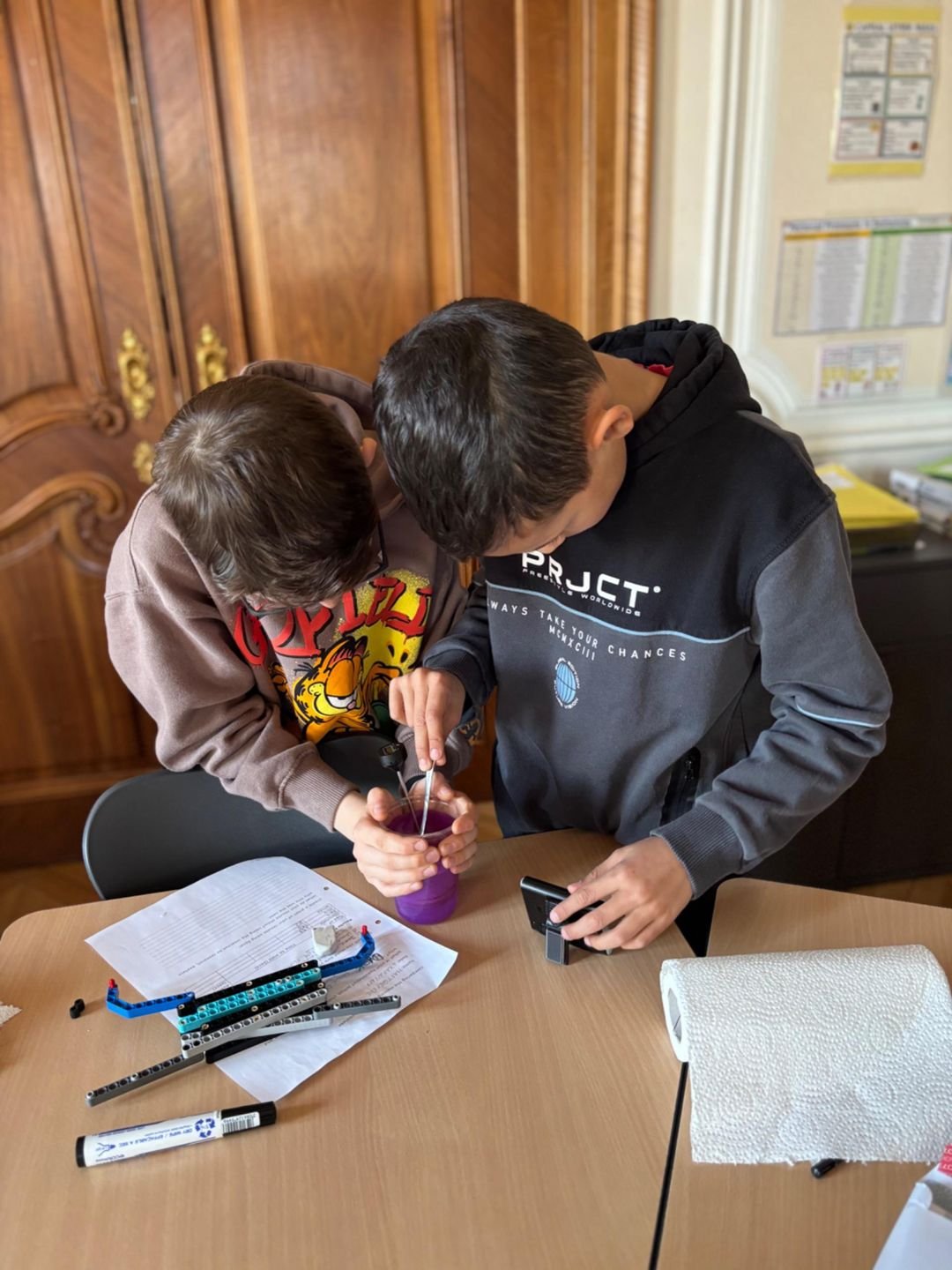
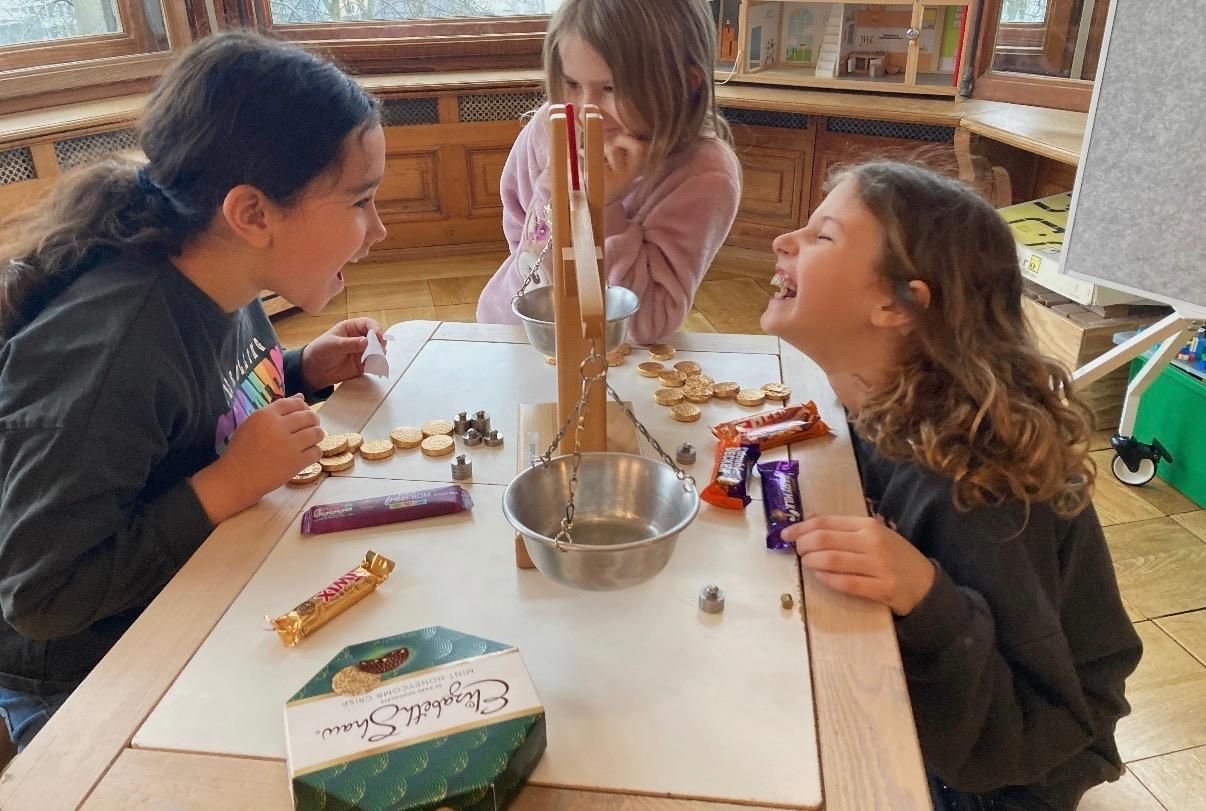
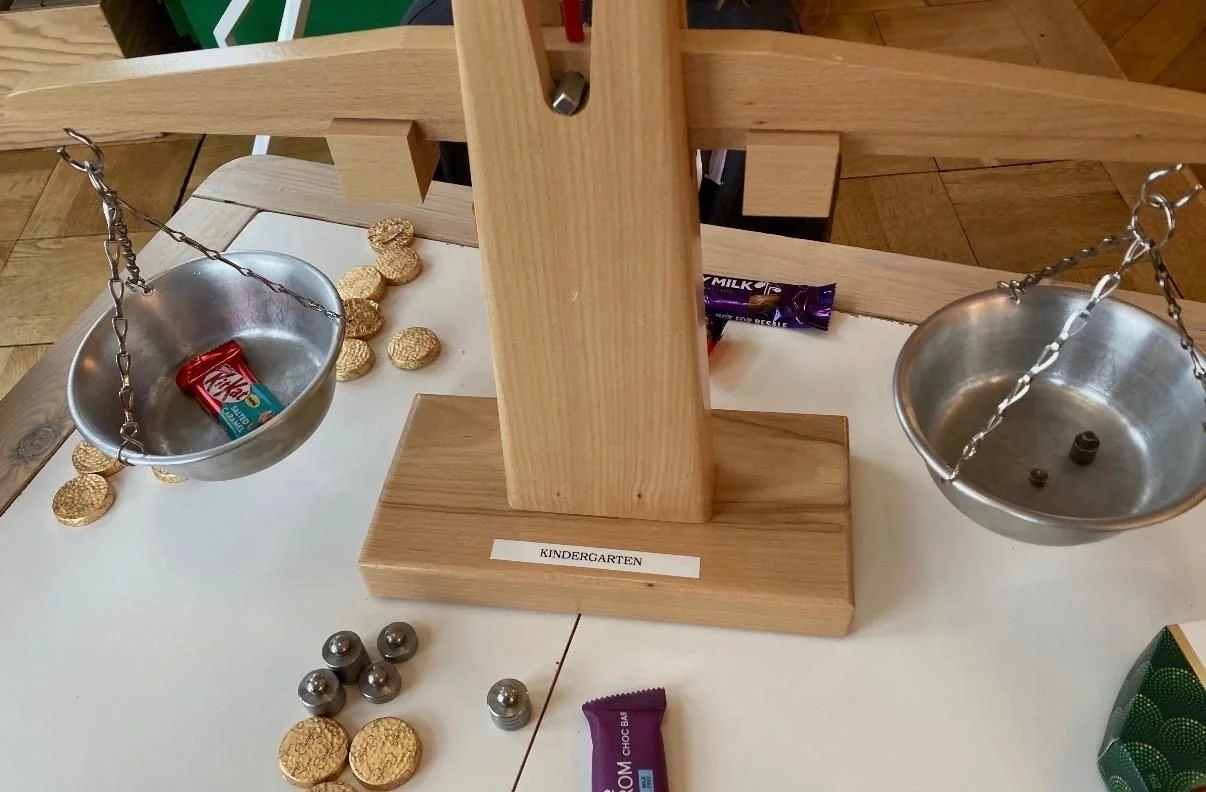
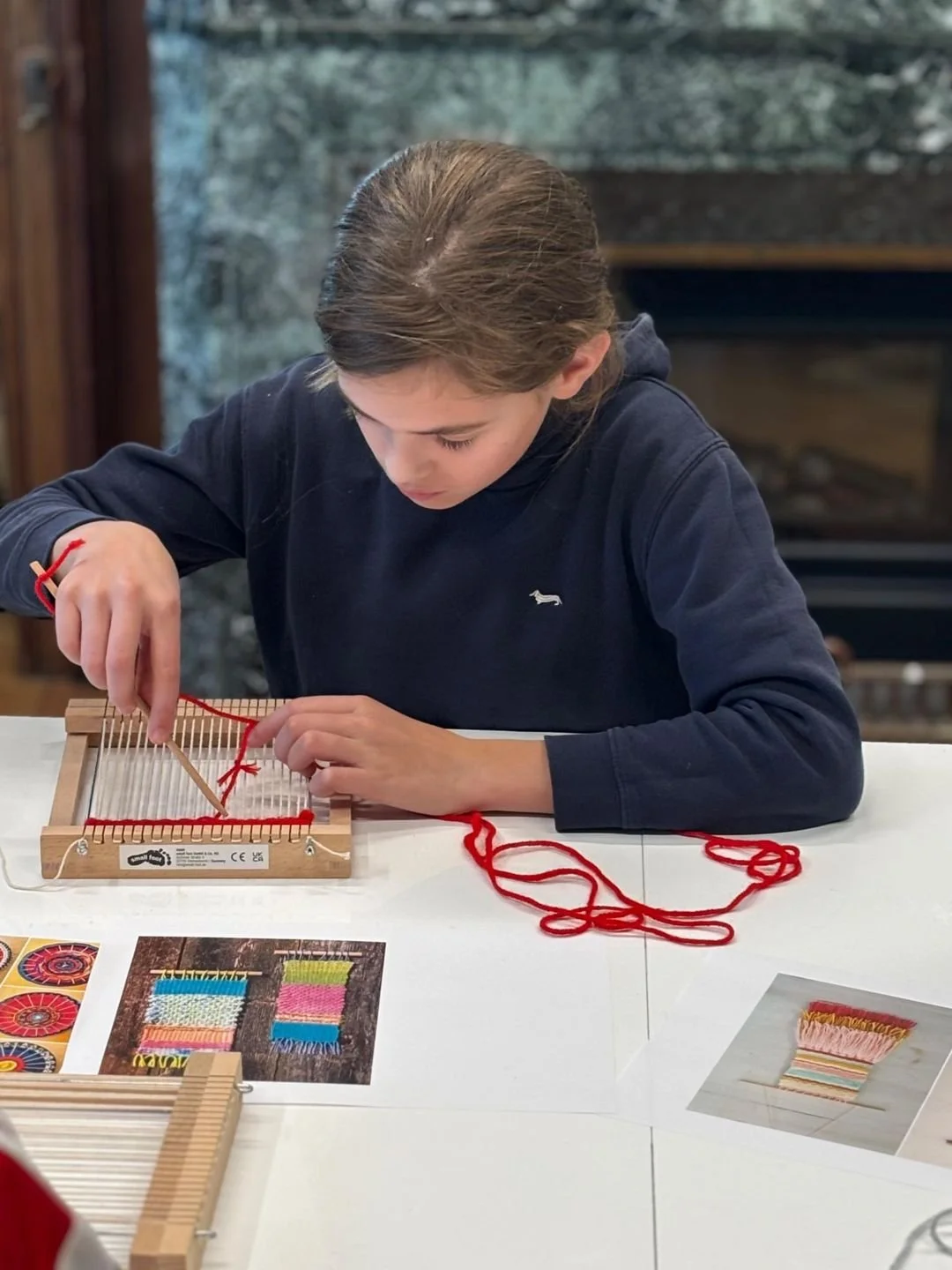
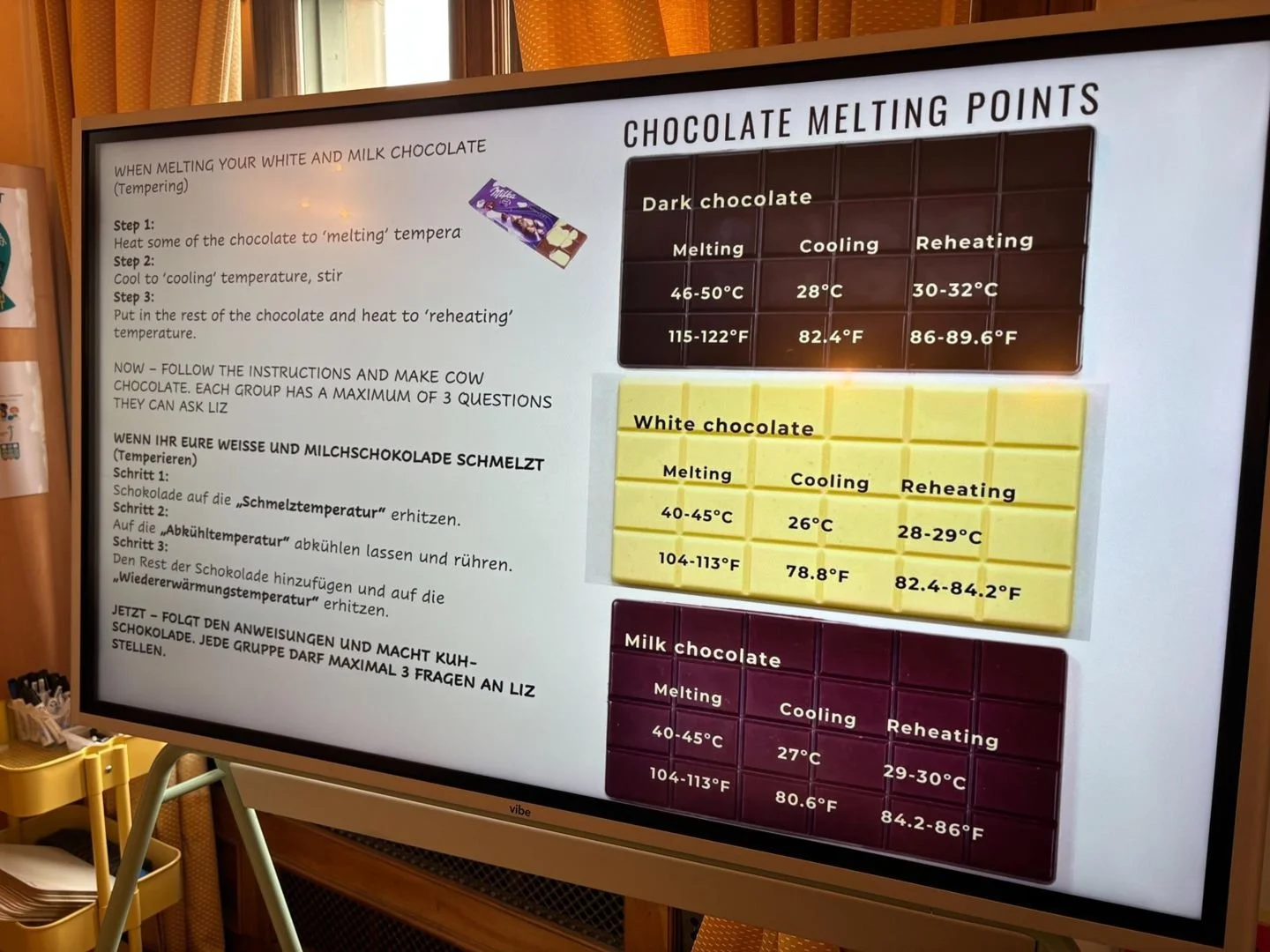
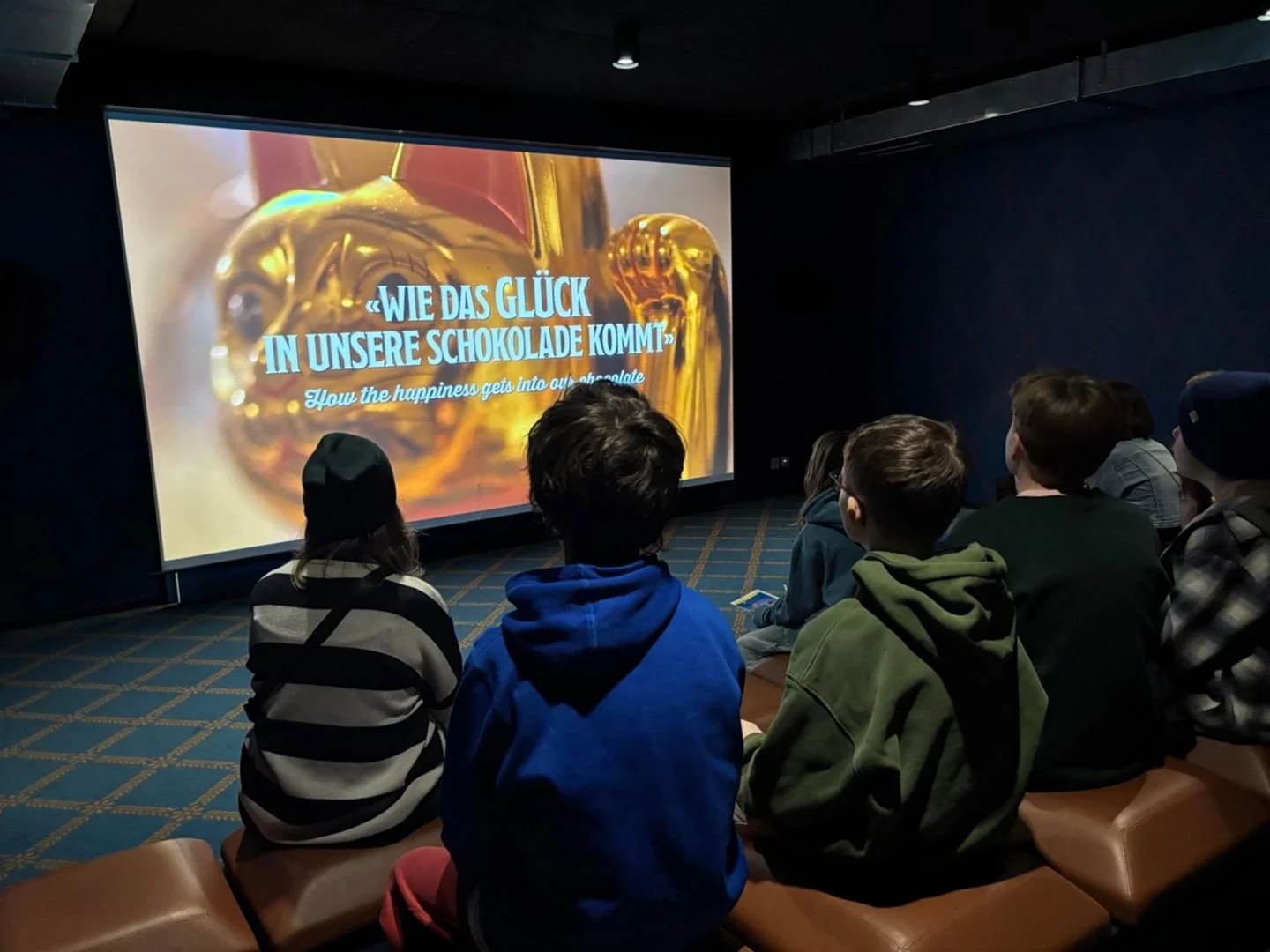
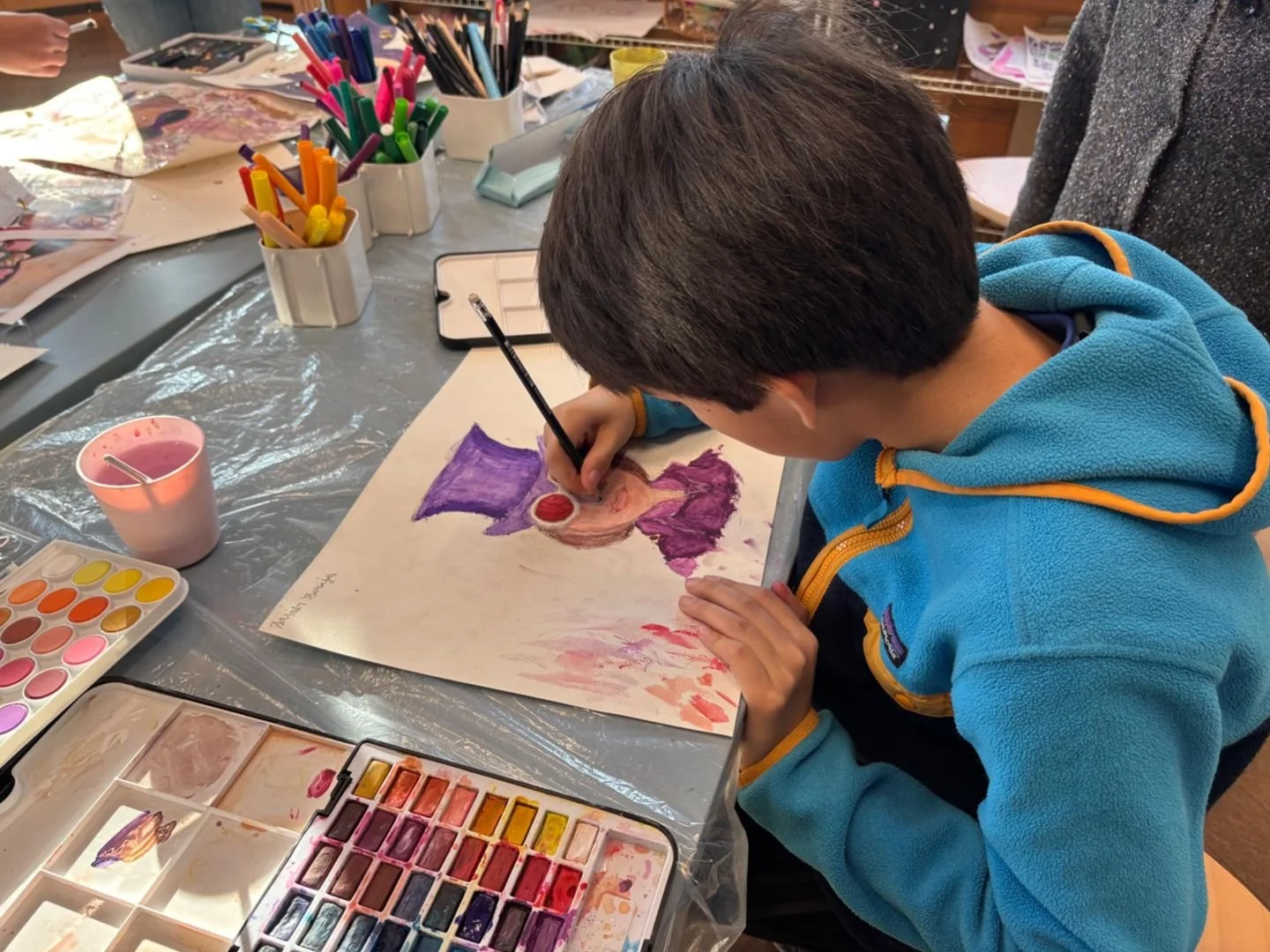
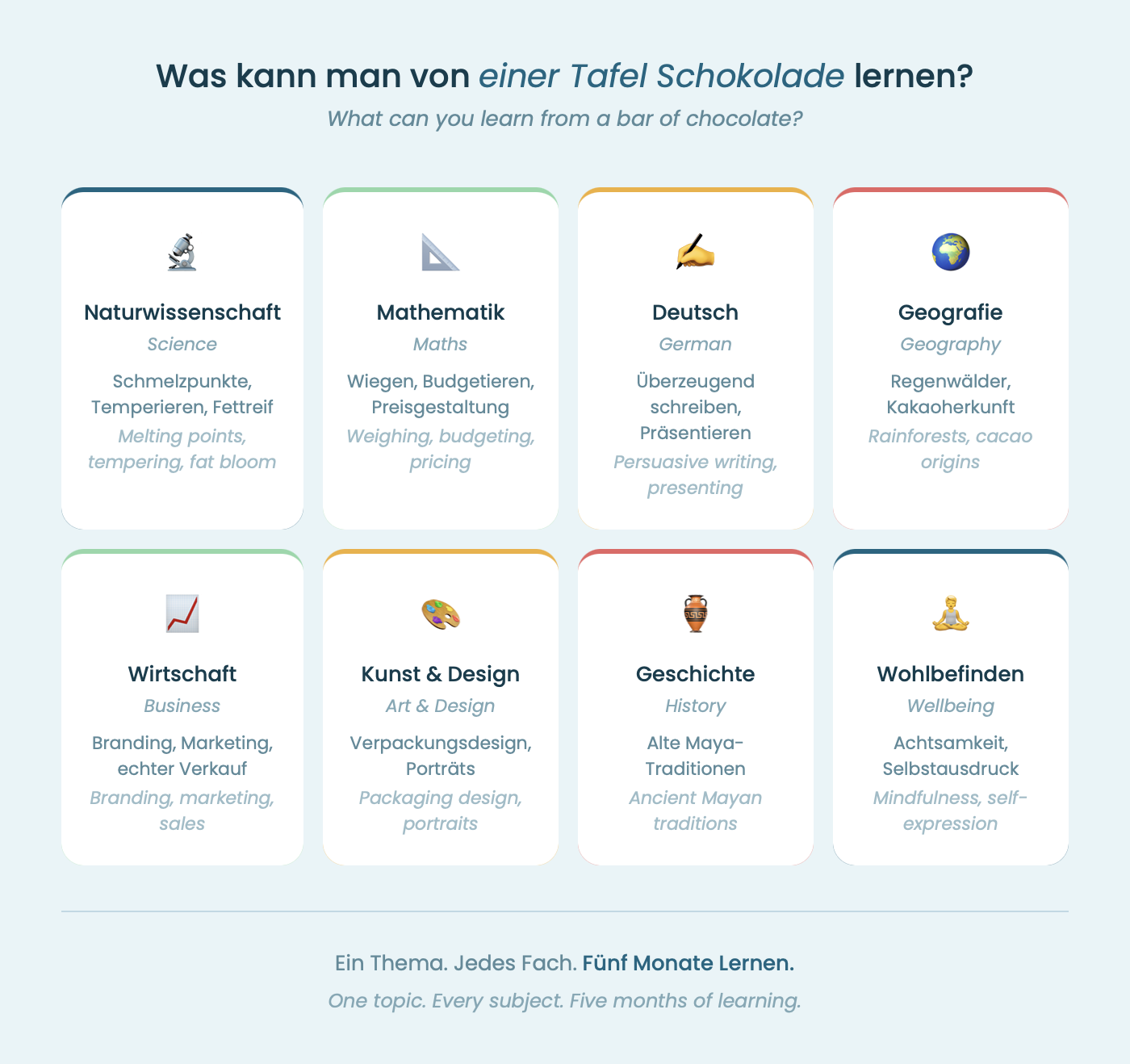
Once we started pulling on the thread, chocolate opened up into an entire curriculum:
Same topic, many different paths
Knowing how much one can learn from chocolate was only part of our task. The other half was making sure every child engaged with it in a way that felt genuinely theirs in order to maintain their interest over the months.
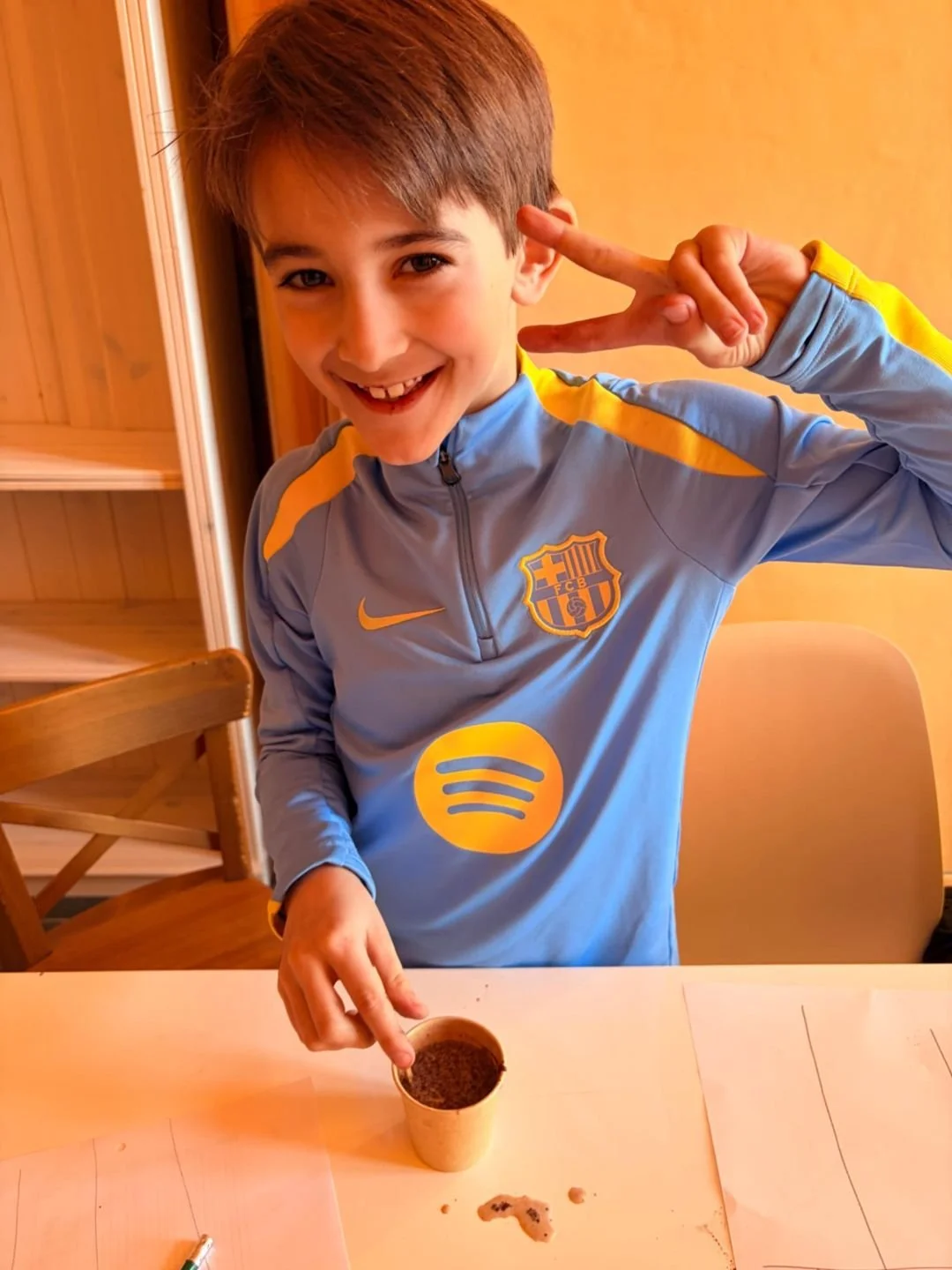
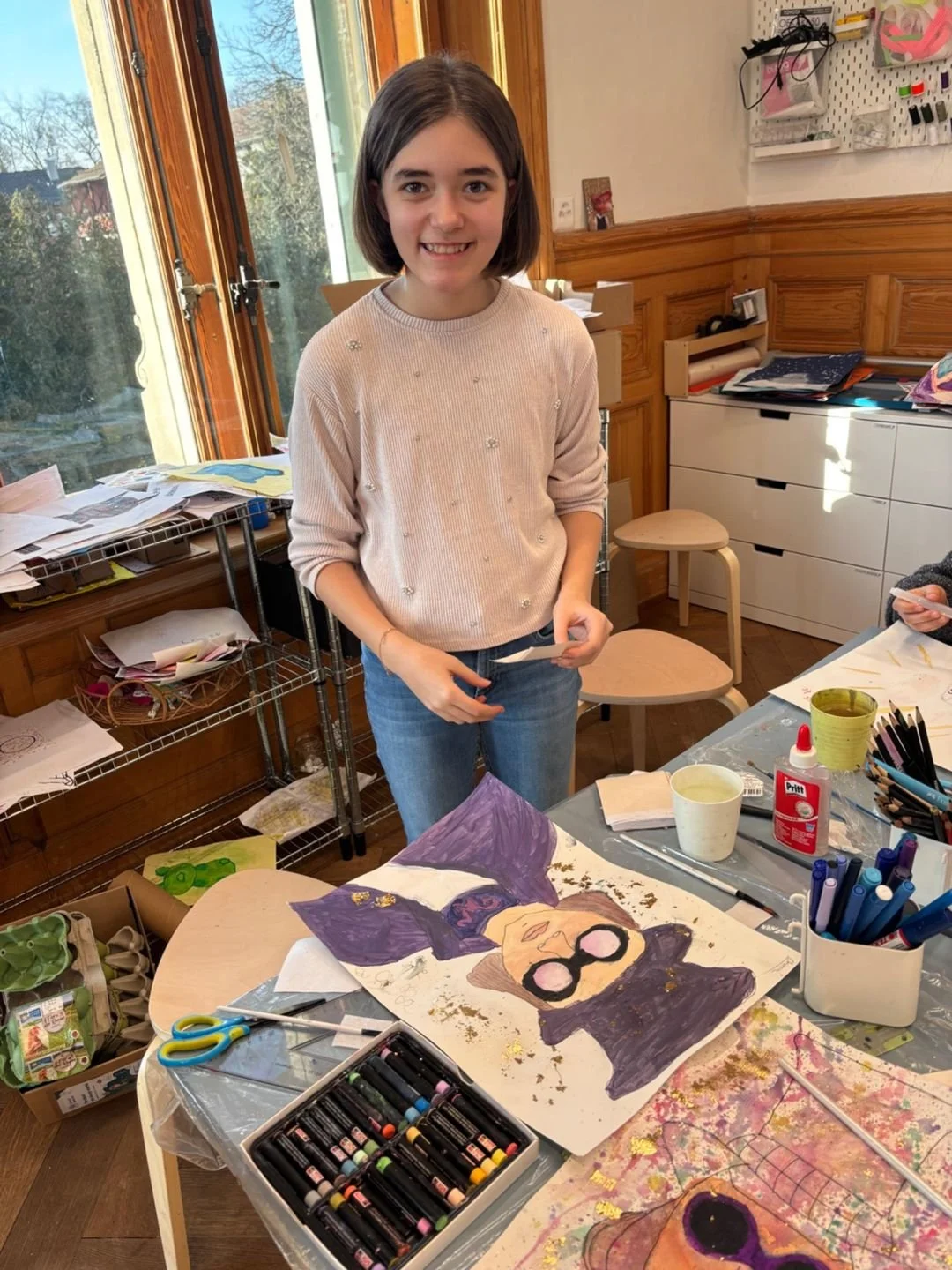
That’s why the students didn’t all follow the same path. Some designed their own chocolate bars from scratch, which included developing flavors, creating packaging, and building a brand identity. Others investigated the wider industry: manufacturing, sourcing, supply chains, advertising.
And just like in real life, a process of this scale takes a team. Students often collaborated on different aspects of their projects and supported each other when needed, which was truly wonderful to witness.
Learning beyond the classroom
To deepen our students’ understanding and connect learning to the real world, we organized experiences beyond the classroom.
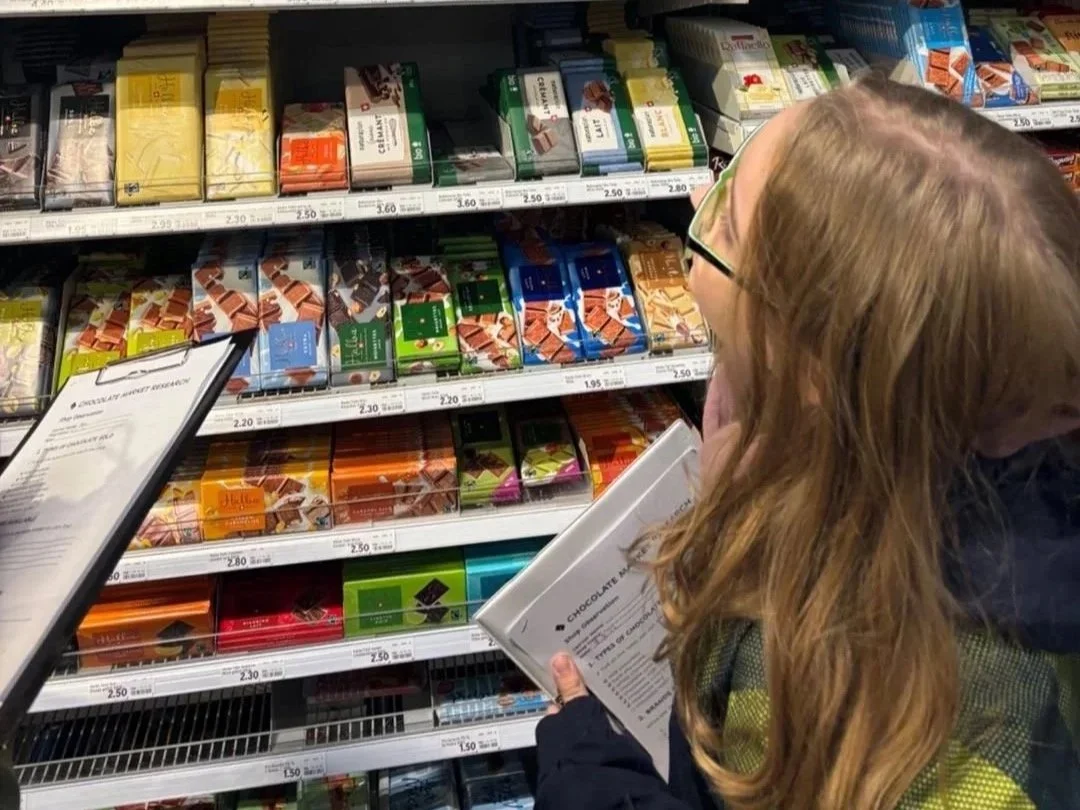
Children visited local supermarkets to study how products compete for attention on the shelf. What role do colors, placement, and pricing strategy have?
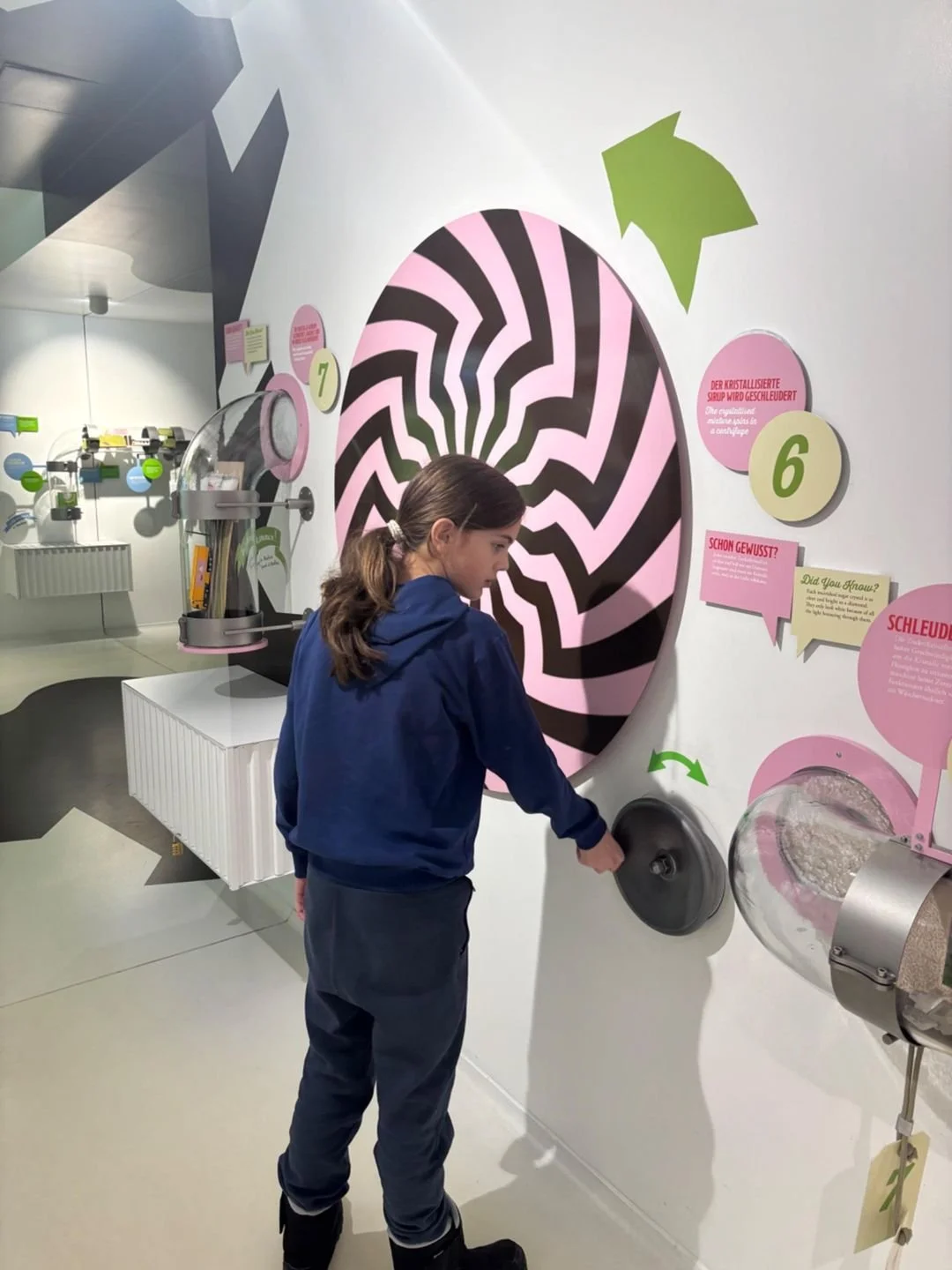
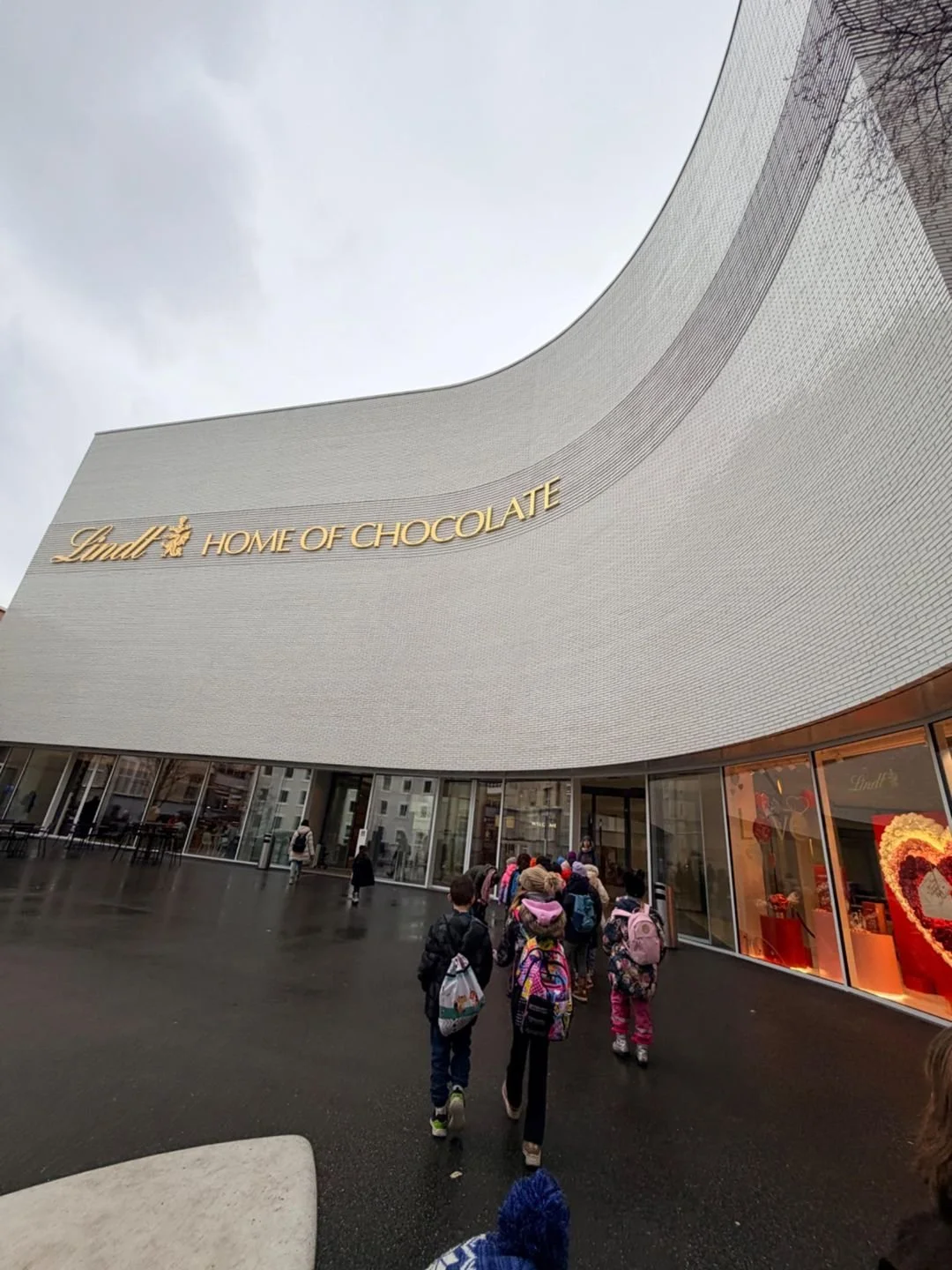
They toured a chocolate factory and followed the journey of chocolate from the cacao pod to the finished bar. Together with an expert, they led a chocolate meditation and explored how scents can evoke memories and emotions.
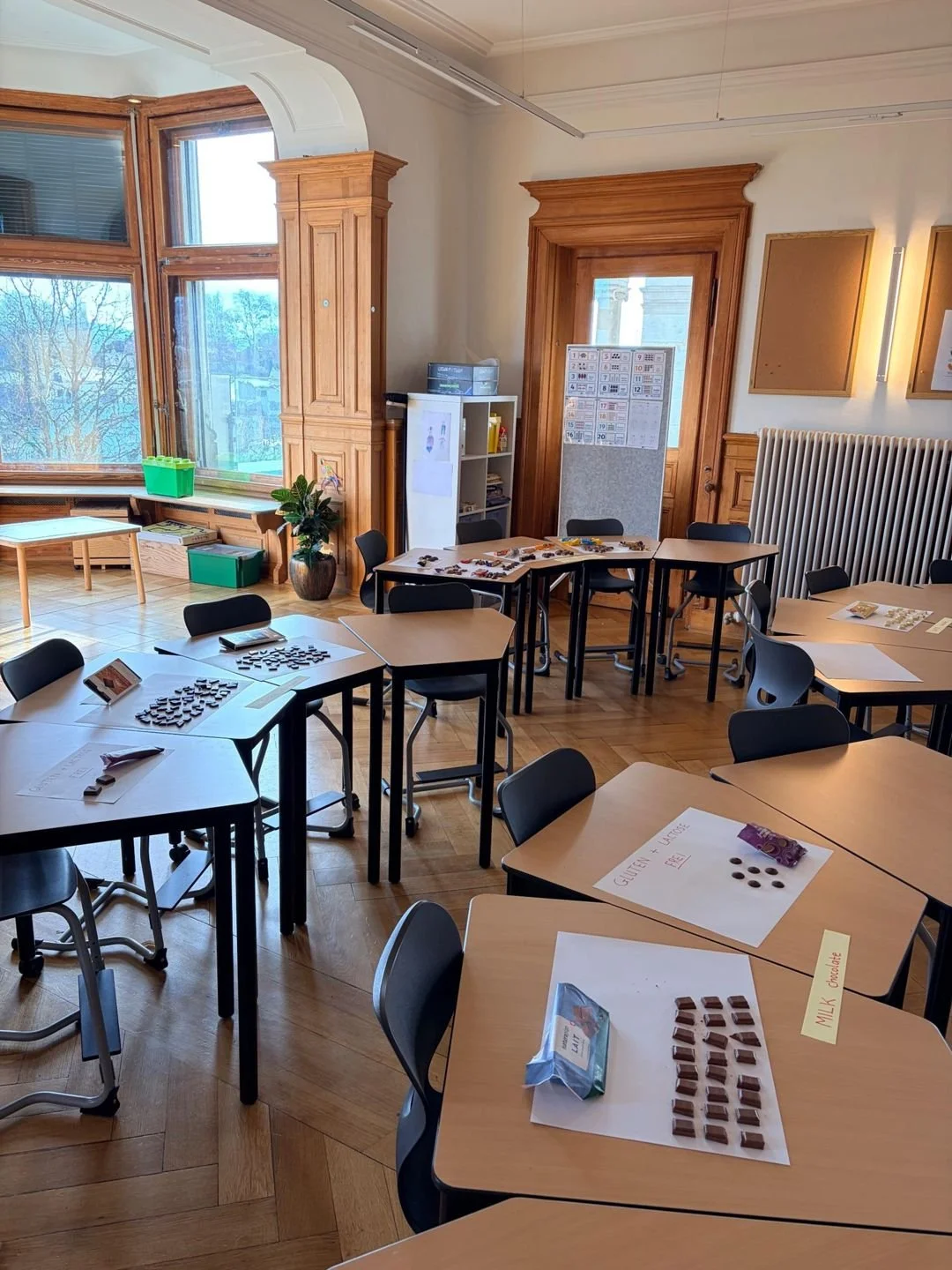
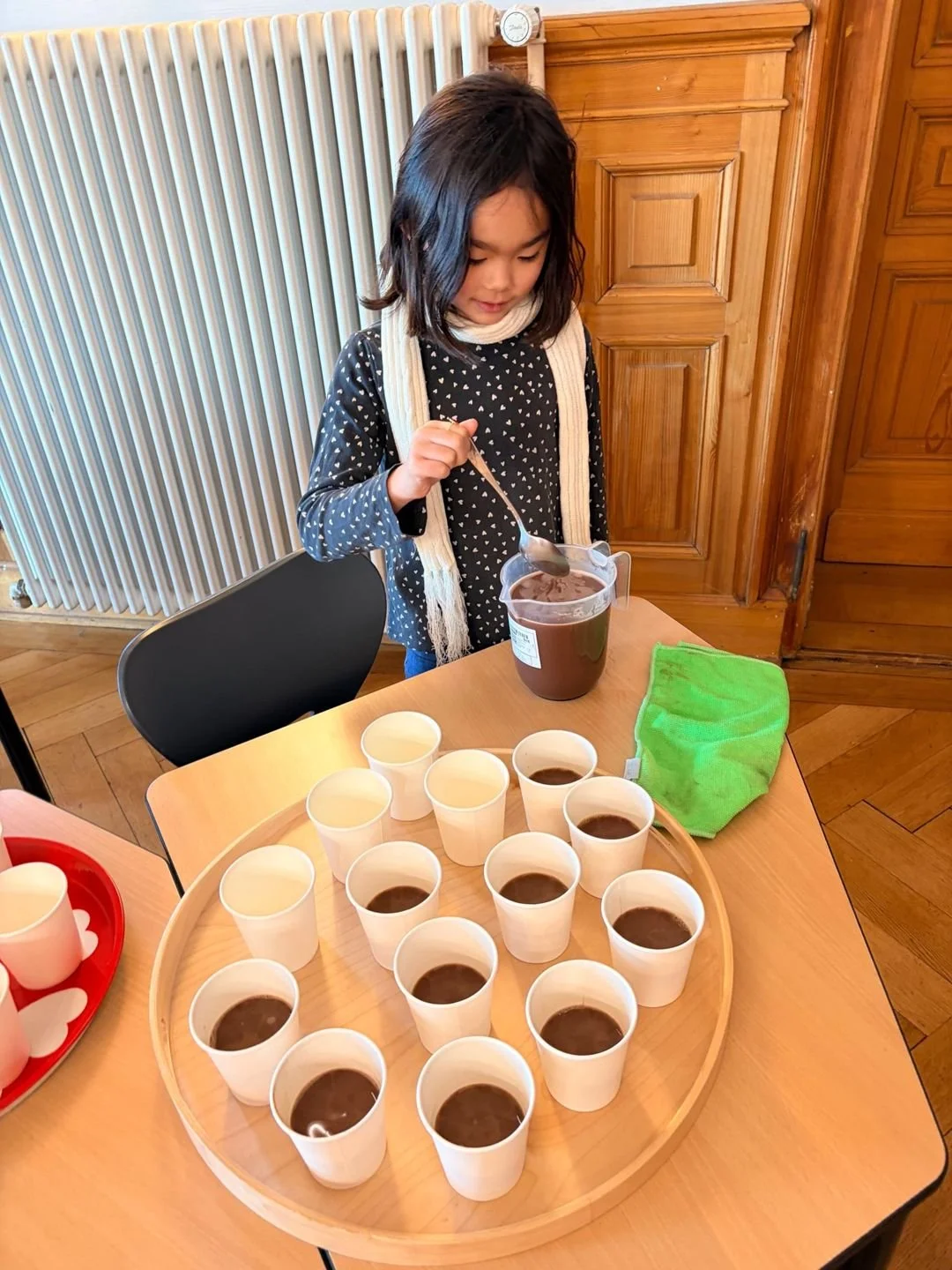
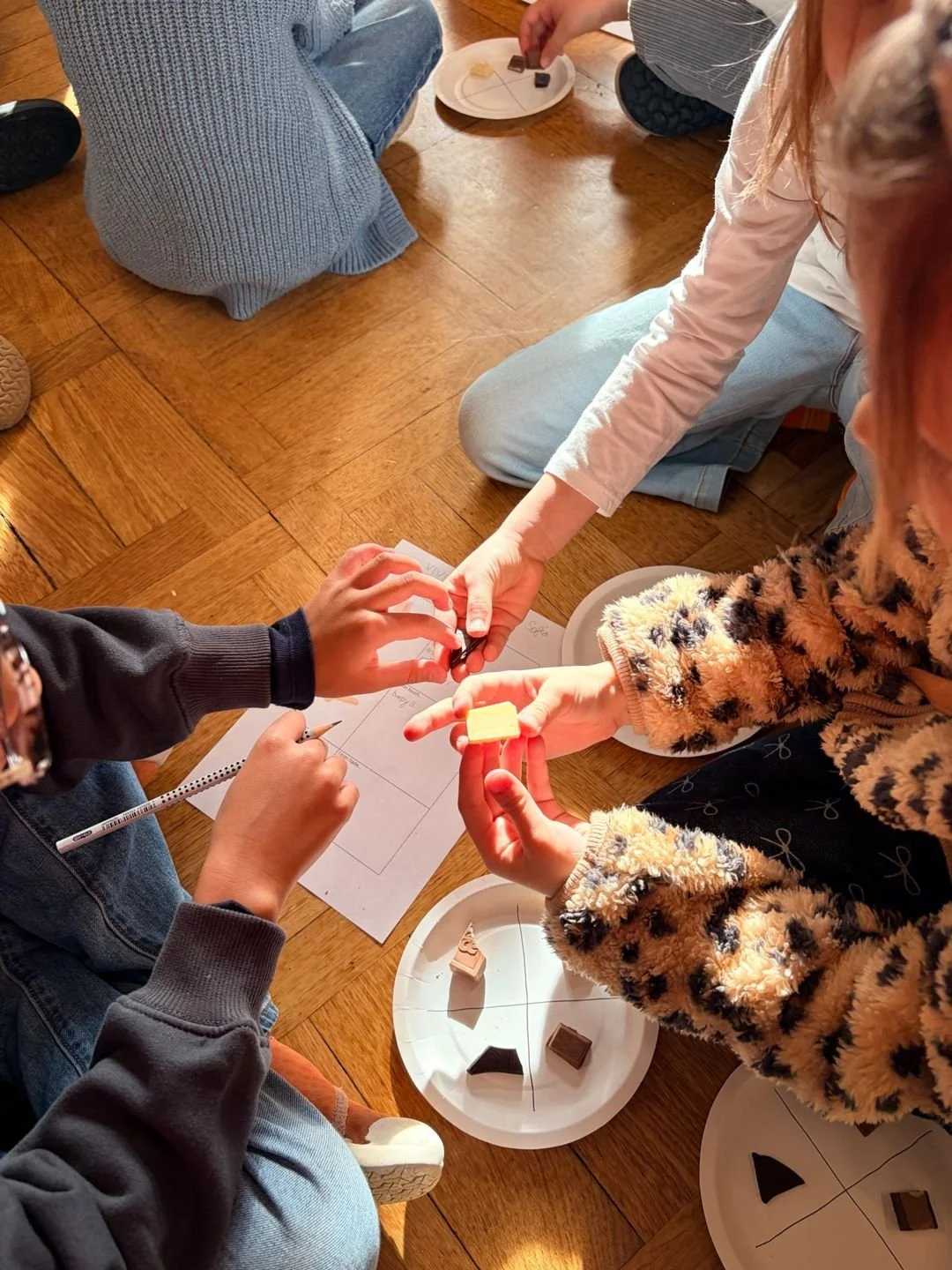
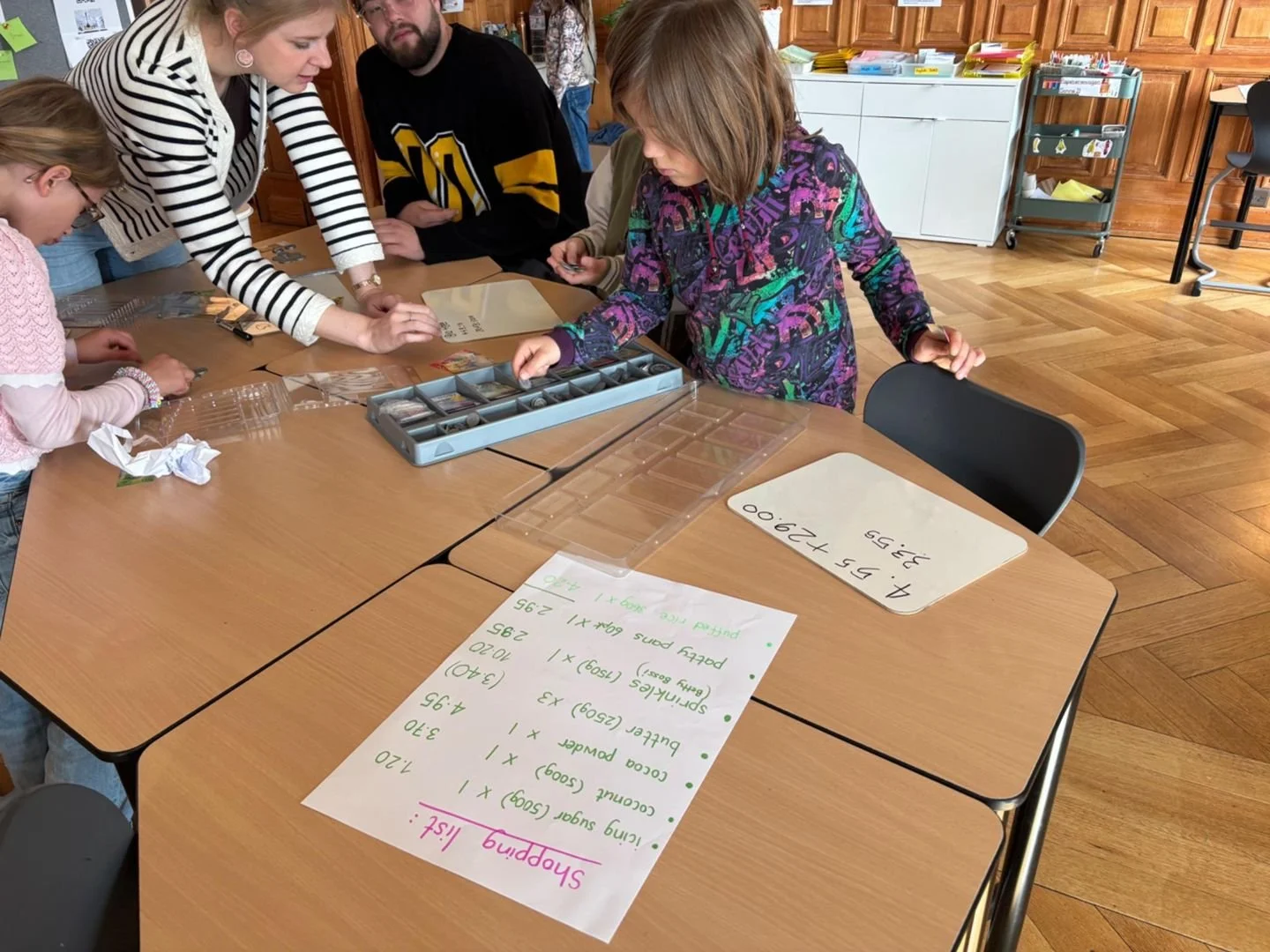
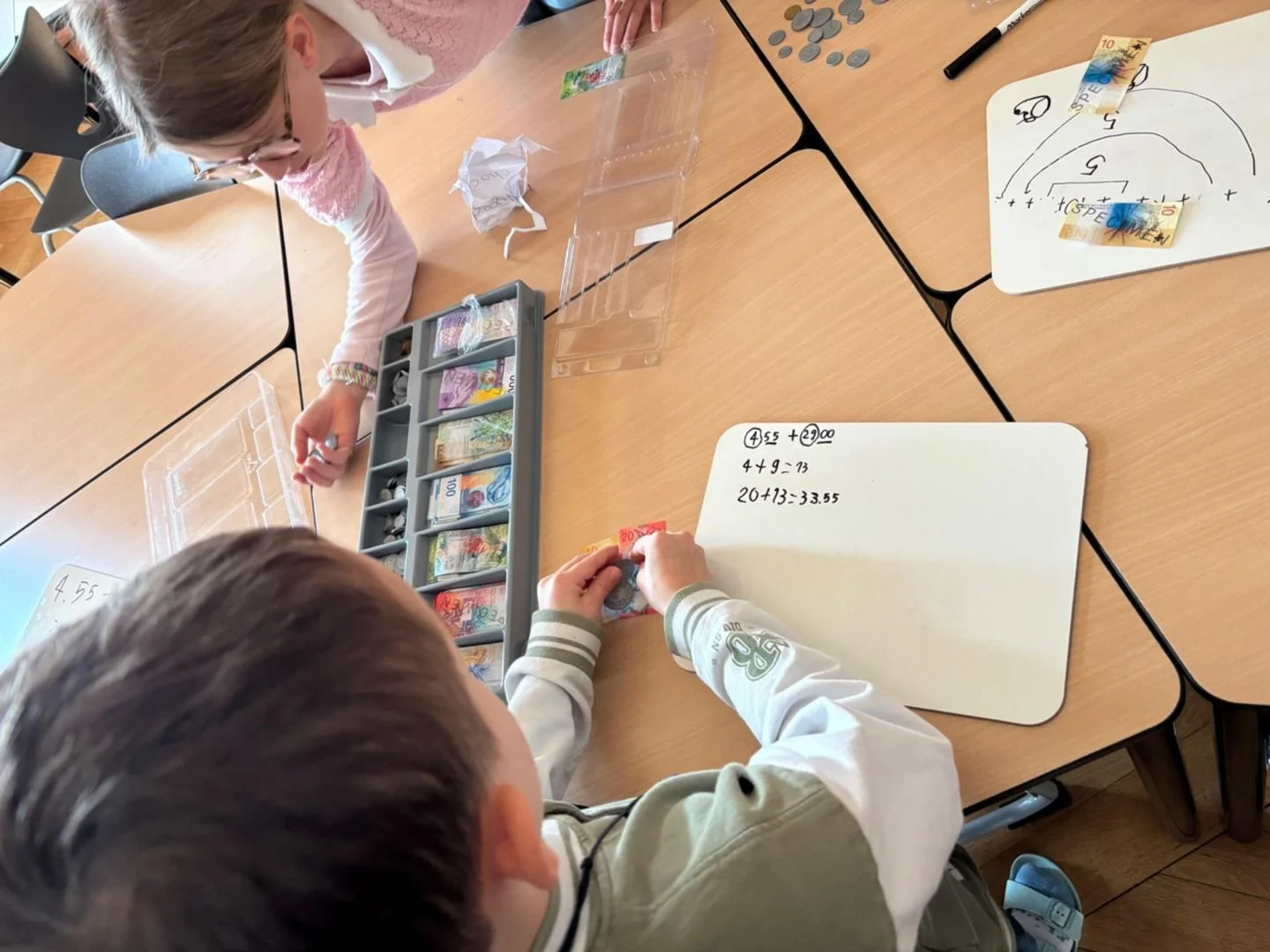
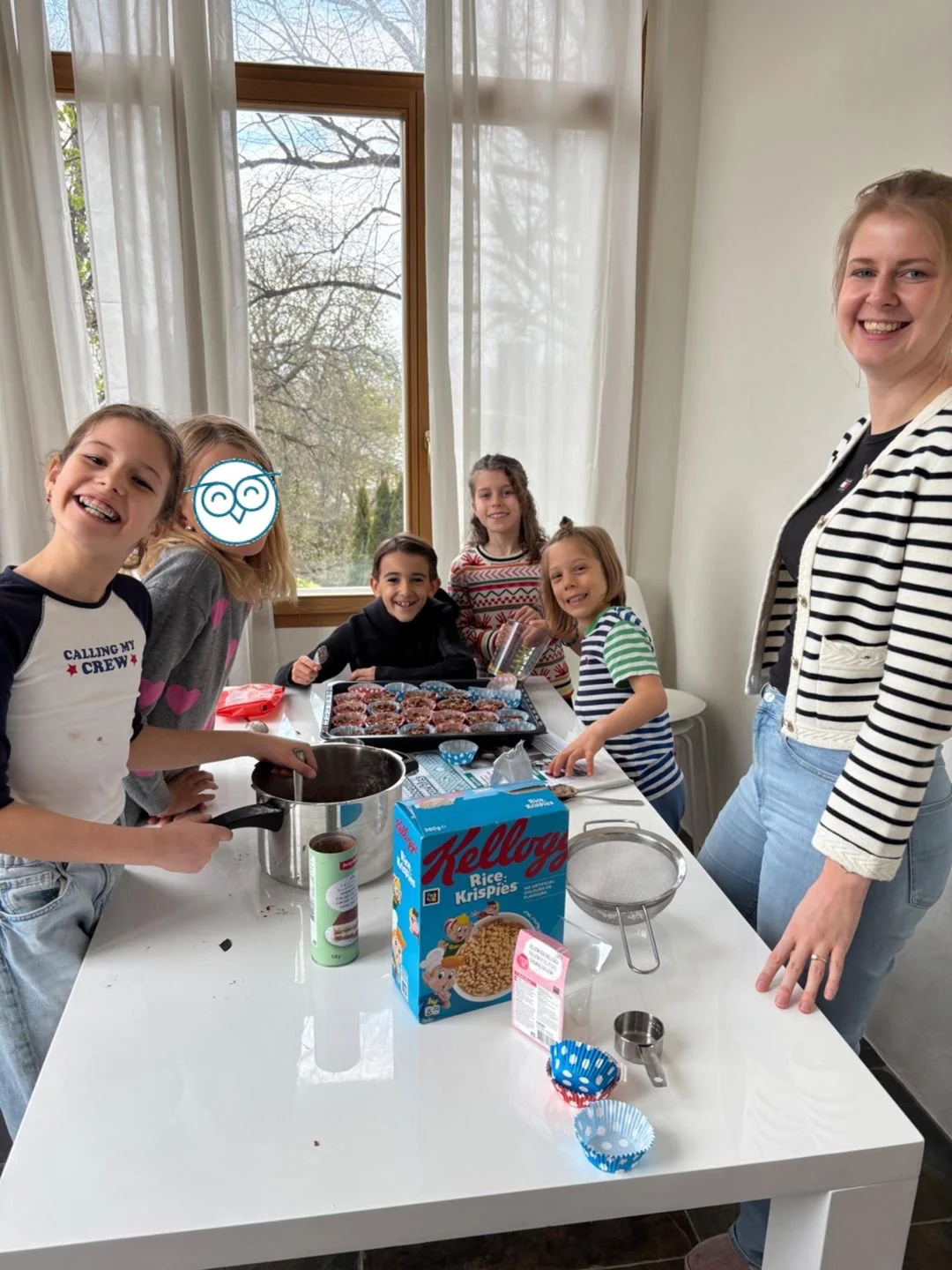
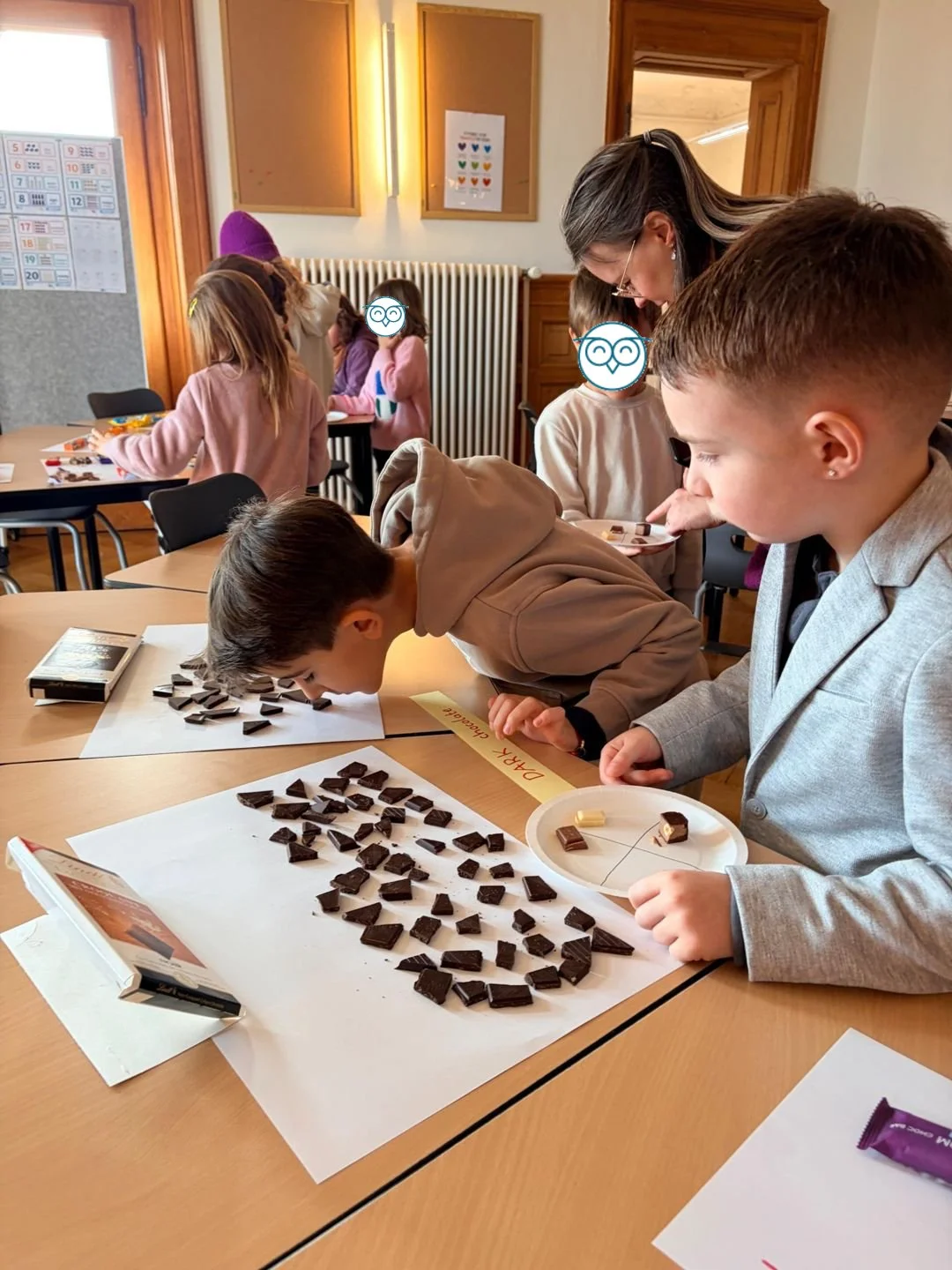
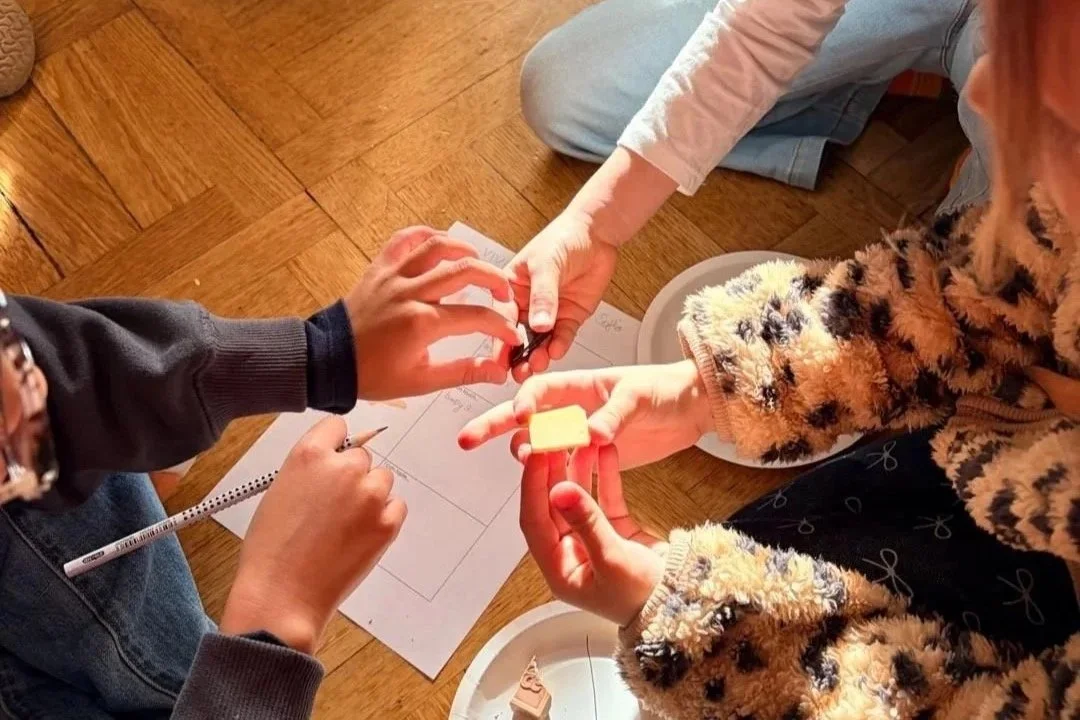
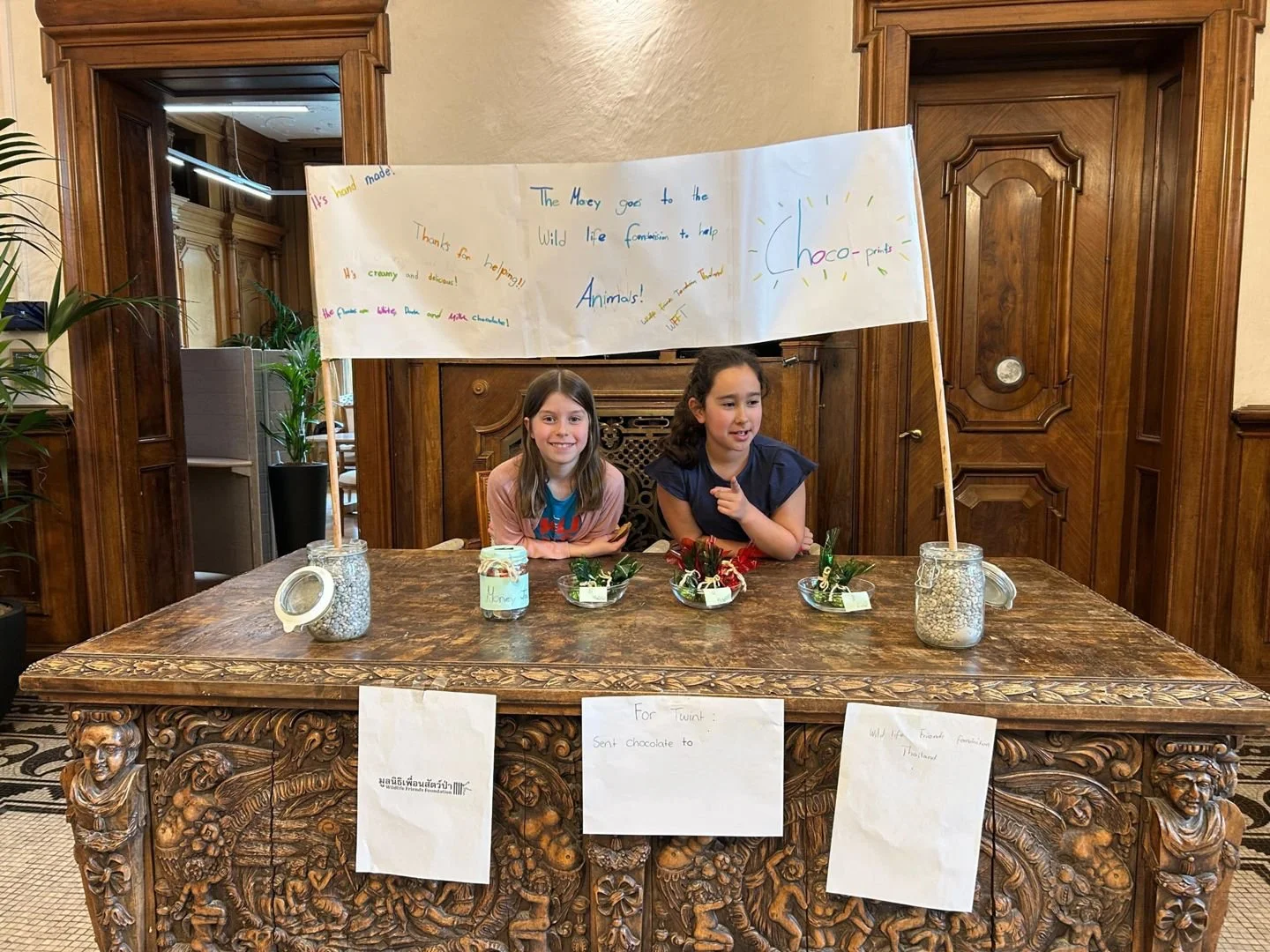
They brewed Mayan-inspired cocoa drinks, compared premium and budget milk chocolate, and raised CHF 147 at their own chocolate showcase bake sale and then held thoughtful debates about what to do with the money.
All of these experiences made learning more connected to the real world, more memorable, and more relevant.
From chocolate to wildlife protection: How a student turned her project into real-world action
One of our students took her chocolate project beyond the classroom and gave it a very personal twist.
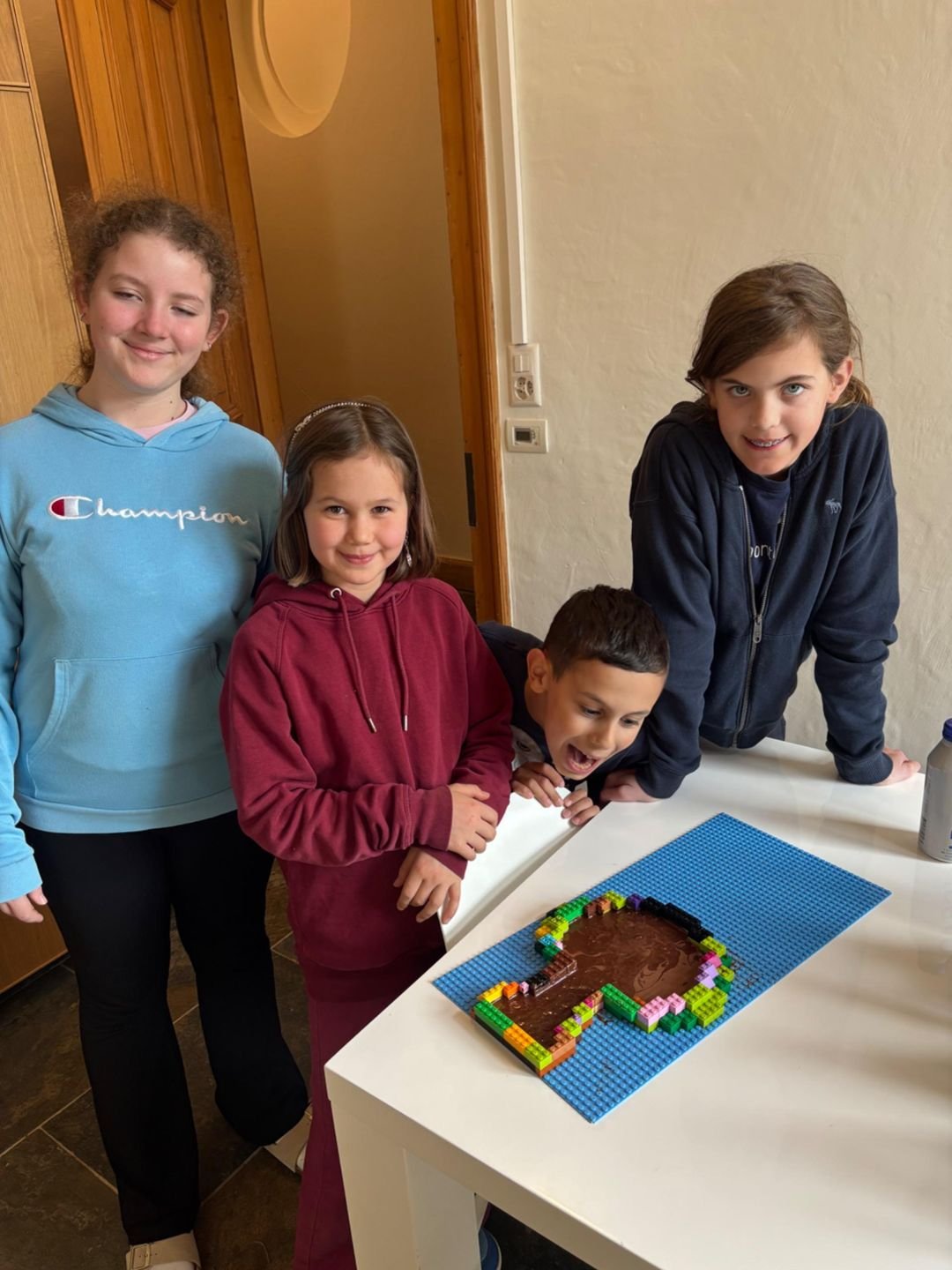
She loves animals. It's a theme that runs through many of her projects. She decided to develop a chocolate product, the proceeds from which would benefit animal welfare organizations.
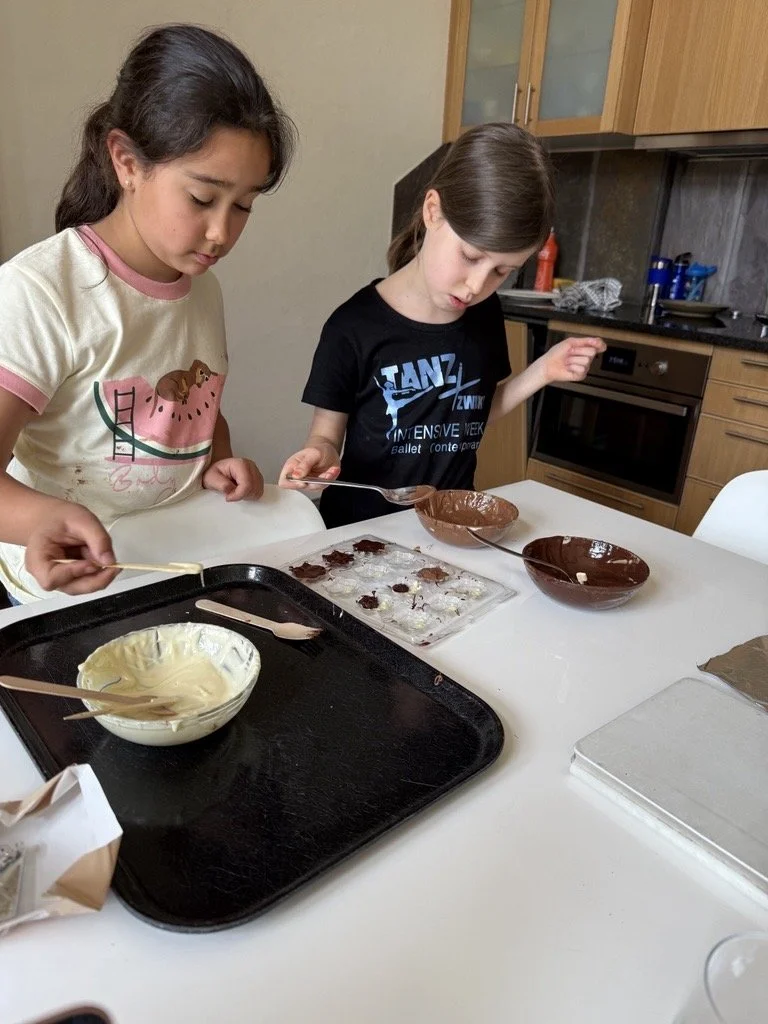
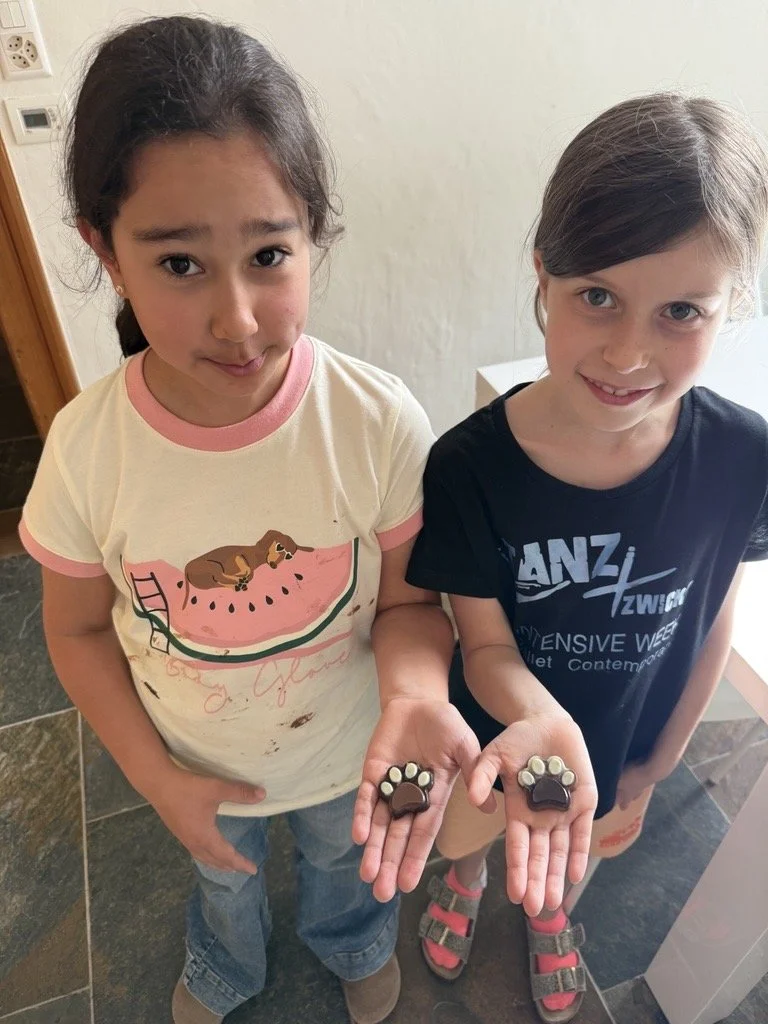
That is why she decided to write a very persuasive letter to a Swiss chocolate manufacturer and presented her idea. The company actually replied and even sent her paw-shaped chocolate molds to support her.
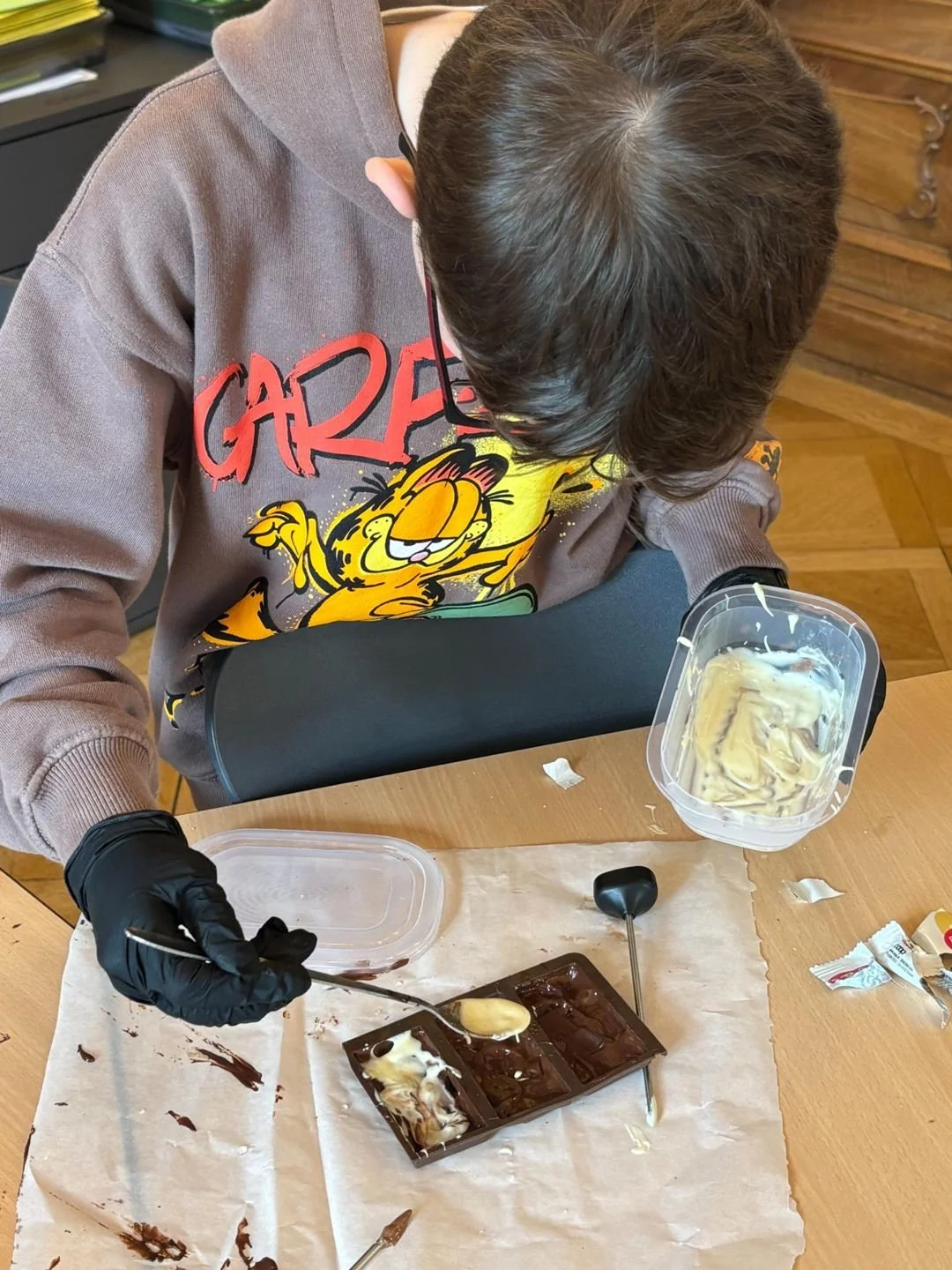
With the help of her friends, she made the chocolate, sold it to the school community, and then donated the proceeds to the selected organization.
This is exactly what we aspire to: giving students the confidence to take their ideas into the real world, and the skills to lead a project from start to finish.
What the chocolate project taught us
Across five months of exploration, children practiced skills that no single lesson could teach: observing, asking questions, collaborating, revising, presenting, and taking a genuine interest in what they were working on.
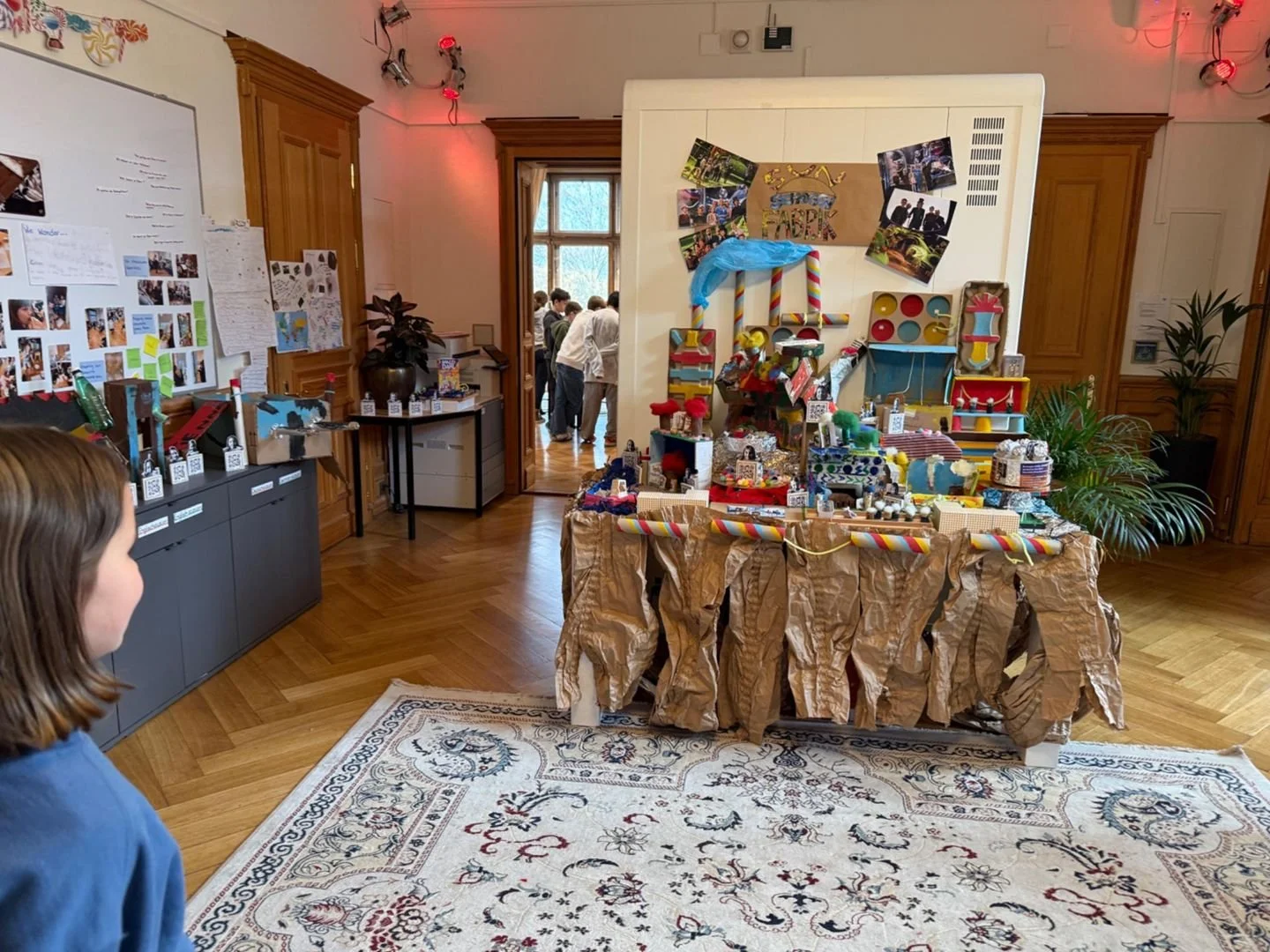
When the project was finally presented at an exhibition for parents and younger students, the children didn’t just show off their finished products, they explained the reasoning behind every decision and every single step of the process.
That is exactly what we mean by project-based learning. It’s not about simply working through a curriculum, but about bringing it to life.
Our recipe for successful project-based learning
One thing we know for sure after this project: The magic of project-based learning doesn’t happen by chance. Just like any good chocolate recipe, successful project-based learning requires the right ingredients. These are the ingredients that, for us, must never be missing from any project:
1. Create relevance and interest
We would start with a topic that really interests children, ideally with an exciting introduction that sparks their curiosity from the very first minute. Genuine interest is one of the strongest drivers of learning, and it helps students persevere even through the more challenging phases of a project.
2. Enable personalization
We would also give each student responsibility for their own focus within the project, based on what truly interests them. When the work is truly their own, including their idea, research question and direction, their motivation stays strong right through to the end. This also includes letting them choose how they document and present their findings. Some want to give a presentation, others would rather shoot a video, and others want to try something completely different.
3. Real-world experience
In addition, we would take learning out of the classroom and into real-life contexts. This doesn’t have to be complicated: a local supermarket, a walk in the neighborhood, or a nearby factory can be enough. Visits from professionals who share insights from their daily work can also help establish this connection. Students should experience how their work is connected to the real world.
4. Teamwork
Real-world projects require teams. When students learn to rely on each other’s strengths, not only do they achieve better results, but this also reflects how the world actually works. At the same time, they learn to ask for support and accept help when they need it.
5. Enough time and regular feedback
Good projects need space to unfold, enough time for ideas to mature, and for mistakes to become learning opportunities. Just as important is regular feedback along the way, so that students can see where they stand and refine their work in a targeted way, rather than waiting until the end to receive feedback.
6. Stay flexible
And finally, we wouldn’t be afraid if a project took a new direction. A project about chocolate suddenly turns into a project about animal welfare? That’s great! The most interesting learning moments often arise precisely when students follow their curiosity and the project takes a different turn than planned.